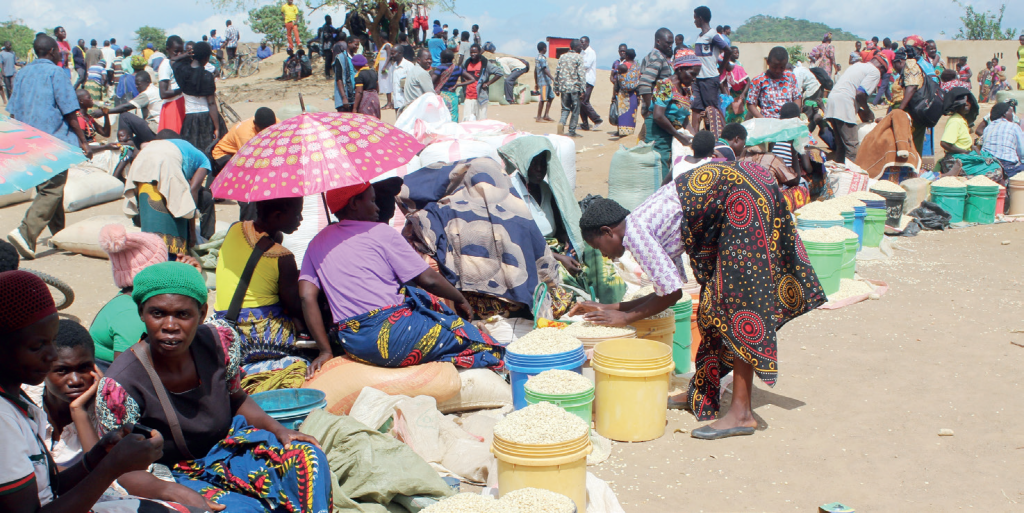
Falling maize prices are yet to offset rising pressure on the cost of living, published Centre for Social Concern Data (CfSC) data has shown. The latest basic needs basket released by the centre shows that between December 2025 and January 2026, the cost of living increased by 4.6 percent excluding transport and 6.29 percent including transport, although maize prices eased to K50 000 per kilogramme (kg) from K55 000. However, food costs rose by 4.26 percent in just one month, while non-food items rose by 5.63 percent during the review period.
Ironically, over the past 12 months, the basket has surged by more than 46 percent, pushing the monthly requirement for an average urban family of six to over K1 million from K700 000. In an interview CfSC economic governance officer Agnes Nyirongo observed that rising transport and energy costs are further driving up prices of goods and services at a time incomes are yet to improve. She said earning below K1 million per month in urban Malawi is no longer sufficient for a decent and healthy standard of living, yet the majority of workers — particularly in the informal sector — earn far less than this threshold.
She said: “The implications of these trends are profound. First, purchasing power has been severely eroded. Even where nominal wages remain unchanged, their real value has diminished significantly.
[paywall]
“Second, inequality is widening. Low-income earners allocate a larger proportion of their income to food and transport.” Nyirongo said of particular concern is the 25 percent spike in transport costs and 12 percent electricity tariff hike. The data shows that Blantyre now requires nearly K1.2 million per month for a household to meet basic needs while Lilongwe also exceeds K1 million.
Zomba and Mzuzu are approaching similar levels. For Blantyre-based Gilford White, who earns an average of K90 000 in a month from doing peace works, rising cost of living continues to leave dents on his household. Left with a wife and four children, he said: ” We are even failing to survive.
We can’t save, we can’t afford a proper meal and we can’t even farm.” On his part, Consumers Association of Malawi executive director John Kapita observed that the recent high fuel price adjustment will trigger higher prices of goods and services and affect consumers’ disposable incomes at a time when the very same consumers are experiencing one of the worst, high costs of living. He said: “These increases were overdue as government continued to struggle to bring fuel supplies into the country due to challenges of forex scarcity and inefficiencies within government decision-making systems.”
[/paywall]
All Zim News – Bringing you the latest news and updates.
