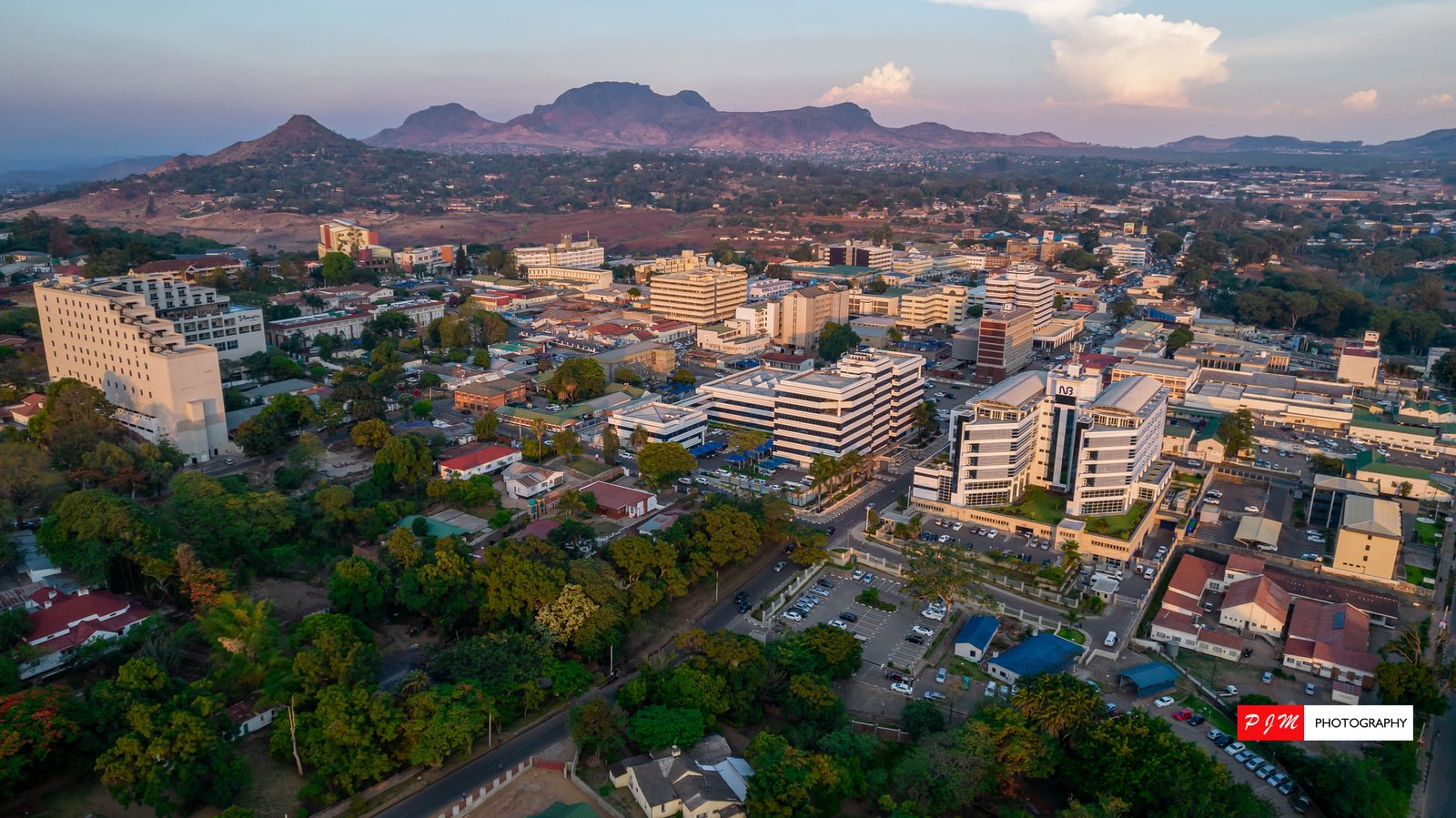
A stark contrast in urban sanitation and environmental management is creating a visible divide between Malawi’s two largest cities, Blantyre and Lilongwe. While both serve as critical hubs for the nation’s economy, housing major businesses, government departments and non-governmental organizations, their approaches to maintaining a clean and orderly urban landscape have placed them on diverging paths. For residents and visitors alike, the difference is not merely aesthetic; it speaks volumes about civic pride, public health and effective governance.
As the capital city, Lilongwe is a center of abundant economic activity and boasts modern infrastructure and buildings that meet international standards. However, a walk through its central business district and along its main roads often tells a different story. The beauty of its new structures is frequently undermined by a neglected environment.
Bare patches of land along the roadsides become sources of dust during the dry season and turn into muddy, eroded channels when it rains, leaving streets dirty and flooded. This issue extends to the some city’s roundabouts that lack the vibrant floral displays and well-manicured grass that characterize those in its southern counterpart, Blantyre. In contrast, Blantyre has made significant strides in urban renewal, particularly in managing its public spaces.
Read Full Article on Nyasa Times
[paywall]
Under the leadership of its council, the city has successfully regulated street vending, clearing goods from pedestrian pathways and roadsides. This has created a more organized and accessible environment for both residents and tourists. The success in Blantyre serves as a powerful benchmark, highlighting what is achievable with proactive municipal governance and leaving many to question why Lilongwe, the nation’s capital, is lagging so far behind.
The challenges in Lilongwe are further exemplified along the newly constructed bridge road, which links the M1 junction with Murray Road and Malangalanga Road. Here, vendors have commandeered pedestrian walkways, forcing those on foot into the street. This not only creates a chaotic and unsafe environment but also defeats the purpose of having modern, pedestrian-friendly infrastructure.
The question for the Lilongwe City Council (LCC) is no longer about recognizing the problem, but about implementing decisive and sustainable solutions to restore the capital’s dignity and functionality. To address the foundational issue of environmental degradation, the LCC must launch a comprehensive urban greening initiative. This goes beyond simply planting Bermuda grass.
A strategic plan should involve landscaping roadsides with native, drought-resistant flora, upgrading drainage systems to manage rainwater effectively, and preventing soil erosion. Such projects could be pursued through public-private partnerships, leveraging private sector investment for the public good while easing the financial burden on the council. Furthermore, resolving the street vending problem requires a balanced and humane approach.
Rather than simply displacing vendors, the LCC should focus on creating designated, modern vending zones and markets. This strategy, coupled with consistent enforcement of zoning laws, would clear the sidewalks and roads while simultaneously improving the working conditions and economic security for the thousands of Malawians who rely on vending for their livelihood. Finally, a lasting transformation of Lilongwe hinges on robust community engagement and a revamp of waste management systems. The council must initiate public awareness campaigns that foster a sense of civic responsibility among residents, encouraging proper waste disposal and community-led cleanup efforts.
[/paywall]
All Zim News – Bringing you the latest news and updates.
