
WEDNESDAY, 18 FEBRUARY 2026 | THE NATION | www.mwnation.com
For three years now, Gertrude Mwachumu, 35, from Sikamu Village, Traditional Authority ( T/A) Mlumbe in Zomba, has enjoyed three meals a day.
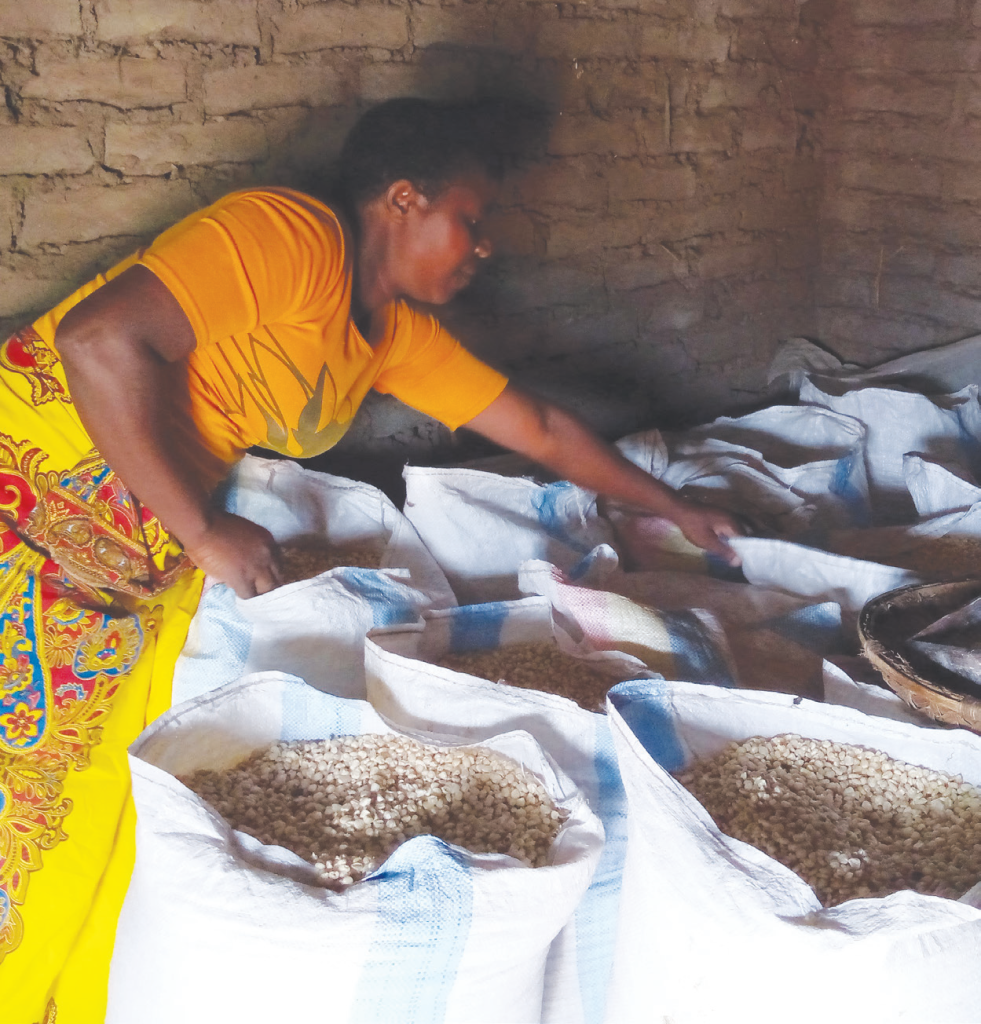
While crop harvests fell due to prolonged dry spells, the mother of four harvested 30 bags and a granary full of maize last growing season.
“Since 2006, I hardly harvested enough on barren soils due to environmental degradation,” she recounts.
The Food and Agriculture Organisation (FAO) of the United Nations reports that loss of top nutrient soils and rapid deforestation impede sustainable agriculture production in Malawi, exacerbating the vulnerability of subsistence farmers who heavily rely on rain-fed agriculture amid climate change.
Erratic rainfall, flooding and prolonged dry spells affect crop production in the shadow of Zomba Mountain where Mwachumu’s one-acre maize plot was gullied by raging run-off, reducing her yield to a 50-kilogramme bag by 20

19.
“Most rains resulted in raging runoffs that forced us to replant maize, but the second crop could fail because of erratic rainfall and dry spells,” she says.
In 2019, nearly 1.9 million Malawians experienced hunger due to floods and prolonged dry spells that reduced yields.
However, Mwachumu’s yield surged to 21 bags in 2020. Today, she produces nearly thrice that amount and sells the surplus to acquire basic needs.
Lydia Yakobe, 30, of T/A Ntchema in Chiradzulu, says she has been toiling in vain as yields kept dwindling due to erratic rains and hailstorms.
The mother of five could get only six bags of maize, which lasted at least three months.
“We starved despite applying fertilisers and doing all the farm work. The harvest couldn’t take my family to the next harvesting season,” she says.
Rainstorms frequently washed Yakobe’s crops away, burying her field in silt.
However, her harvest swelled from six to 25 bags in 2020. She now harvests 55 bags.
Both women say integrated land and watershed management activities help them harvest more from their small plots amid climate change.
All Zim News – Bringing you the latest news and updates.
