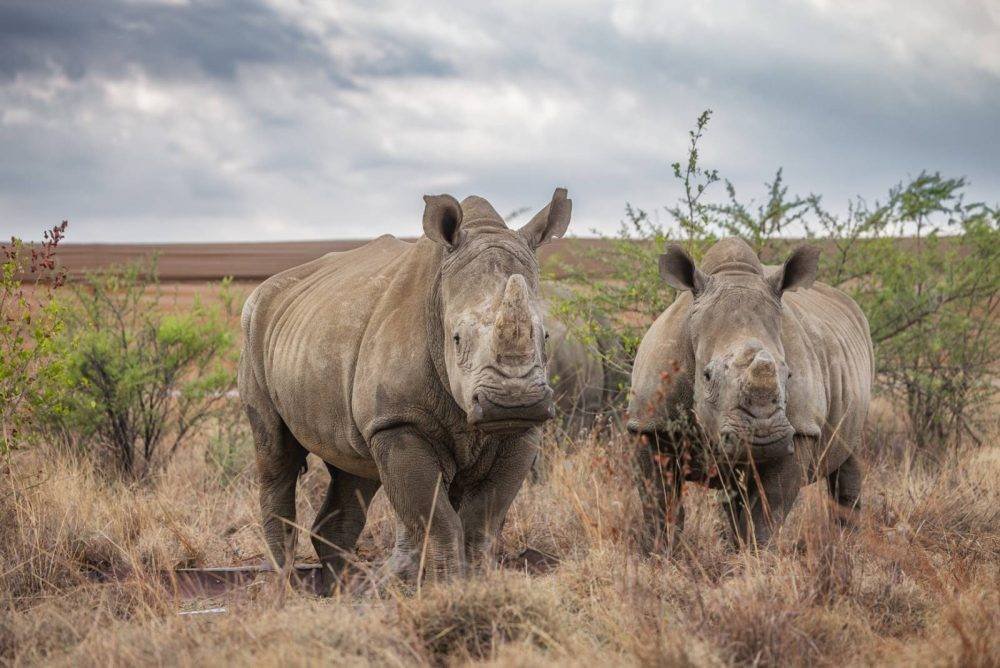
South Africa recorded a 16% decline inrhino poachingin 2025, with 352 animals killed nationwide compared with 420 the previous year. The figures, released on Tuesday by the department of forestry, fisheries and the environment, highlight the success of strengthened anti-poaching and anti-trafficking efforts but also reveal the persistent threat posed by sophisticated criminal networks, particularly in theKruger National Park. Environment MinisterWillie Aucampattributed the overall decline to “dedication and tactical, swift coordination” across the government, law enforcement and private conservation sectors.
Of the 352 rhinos poached last year, 266 were killed on state property and 86 on privately-owned reserves or farms. However, the national picture masks stark regional differences. The Kruger National Park saw poaching numbers nearly double, from 88 rhinos in 2024 to 174 in 2025.
The department attributed Hluhluwe-iMfolozi’s success to a combination of interventions, including closer collaboration between Ezemvelo KZN Wildlife and rhino owners in KwaZulu-Natal through the integrated wildlife zones programme as well as sustained support from key conservation partners, among them the World Wide Fund for Nature, Save the Rhino International, Wildlife ACT and the Peace Parks Foundation. While Ezemvelo recognises that the strategic dehorning programme implemented in 2024 served as a critical catalyst in stabilising rhino poaching pressures and enabled urgent, targeted interventions, an analysis of the 2025 outcomes confirms that multiple complementary interventions were central to the reduction in poaching incidents. “Key among these were enhanced detection and early-warning capability, achieved through the deployment and integration of advanced camera technologies and sensors; and the implementation of the integrity implementation plan, which included the successful polygraphing of all park law-enforcement personnel, reinforcing organisational integrity and public confidence.” Dr Jo Shaw, the chief executive of Save the Rhino International, said it was heartening that the number of rhinos killed in Hluhluwe-iMfolozi Park had dropped by more than two thirds, from 198 in 2024 to 63 in 2025.
Read Full Article on Mail & Guardian
[paywall]
“The park has been hard hit by poaching pressure in recent years and these latest figures show that long-term investment into strategic interventions such as dehorning and camera-trap technology, as well as ranger welfare, can have real impact.” At the same time, the latest figures show that the number of rhinos killed in Kruger National Park nearly doubled from 2024 to 2025, from 88 to 174. “This concerning increase highlights the dynamic nature of the criminal gangs responsible for rhino horn trafficking and the ongoing level of threat.” Criminal networks involved in the illegal international trade in rhino horn continued to adapt rapidly, exploiting new transit routes and consumer demand. Any reduction in funding, political will or international cooperation could quickly reverse the gains, she said.
[/paywall]
All Zim News – Bringing you the latest news and updates.
