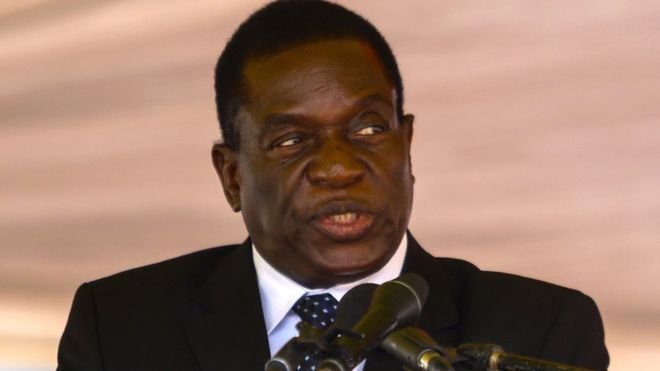
Zimbabwe is facing the most severe constitutional rupture since the 2013 constitution was adopted, following Cabinet’s endorsement of draft legislation that would strip citizens of the right to directly elect their president and extend Emmerson Mnangagwa’s tenure until 2030. The proposed Constitution of Zimbabwe Amendment Bill, 2026, backed by Cabinet on Tuesday, has created a wave of condemnation from constitutional lawyers, civil society and opposition figures who warned the government is diminishing public trust while simultaneously denying voters their sovereign voice. The Bill, tabled by Justice Minister Ziyambi Ziyambi, would repeal Section 92 of the Constitution, replacing direct presidential elections with a parliamentary vote, with a successful candidate requiring a ‘simple’ majority of sitting MPs and senators.
Simultaneously, the Bill extends presidential and parliamentary terms from five to seven years, explicitly applying the extension to the “continuation in office” of the incumbent If enacted in its current form, the amendments would allow President Mnangagwa, 83, to remain in office until 2030 yet he is supposed to step down in 2028 after serving two five-year terms. The justice minister told journalists the Bill would be transmitted to the Speaker of Parliament and published in the Government Gazette before lawmakers debate it. Beyond extending terms and altering the electoral system, the proposed amendments would also change presidential succession.
Instead of a vice president automatically assuming office in the event of death, resignation or removal, Parliament would elect a new president within a specified period. Apart from the extension clause, it is the proposed removal of direct presidential elections that has triggered the strongest reaction because it represents a sudden disenfranchisement of millions of Zimbabweans who have voted directly for their president since independence. Douglas Mwonzora, who participated in the constitution-making process under the Government of National Unity (GNU) as one of the MDC negotiators in 2009, described the proposal as unnecessary and dangerous.
[paywall]
“Two fundamental issues arise. The sudden disenfranchisement of millions of Zimbabweans when it comes to choosing the president, there is no purpose served in making that amendment,” Mwonzora said. He argued the current proposed system was not the country’s problem.
“The problem of Zimbabweans was not about how to elect a president. They are fixing something which has no need to be fixed,” he said.
[/paywall]
All Zim News – Bringing you the latest news and updates.
