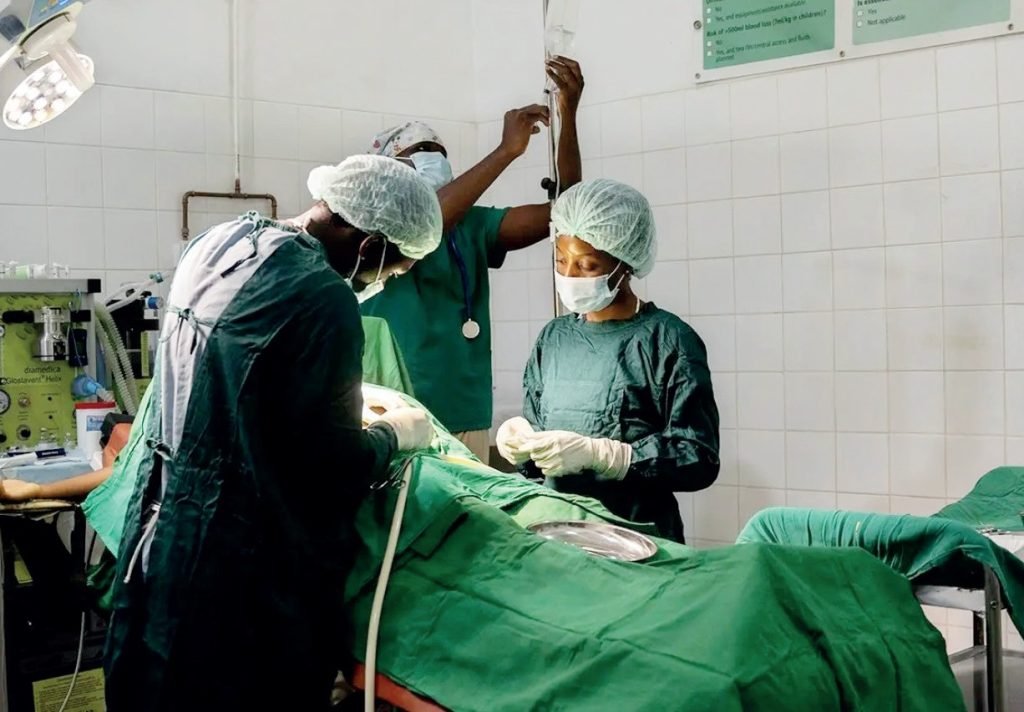
Frequent and random power outages can mean life and death for patients, but specialised technology can prevent lapses in care, as PARTNERS IN HEALTH writes. It is 1 am and the power snuffs out at Neno District Hospital in Malawi. Vital operations grind to a halt.
Oxygen production slows. Baby warmers, which regulate the temperature of premature or critically ill infants, will soon grow cold. Calls are made and hospital staff race in ambulances to the home of an electricity technician for help.
They know the length of time it takes to get the power back on can be the difference between life and death. Both the Neno District Hospital and Lisungwi Community Hospital are equipped with robust backup generators, installed to combat the frequent and random power outages in Malawi caused by persistent load shedding and an unstable grid. Since Malawi gained independence from Britain in 1964, it has taken on debt to finance social programmes and infrastructure projects.
[paywall]
However, climbing out of sovereign debt can be incredibly difficult. In the 2022/23 fiscal year, the country spent roughly a third of its budget on debt interest payments—leaving key public services underfunded and over 70 percent of the population living below $2.50 a day. Despite these challenges, the country is working to expand essential infrastructure.
In May, Malawi received a grant from the World Bank to expand its energy generation and storage capacity. The Malawi Energy Access Project has increased access to grid power from about 12 percent in 2018 to 25 percent last year. Still, demand outweighs the load bearing capacity, resulting in frequent outages.
In a period of 53 days, staff at Abwenzi Pa Za Umoyo, as Partners In Health (PIH) is known in the country, counted more than 30 power outages—sometimes multiple times a day. Still, the process of switching from grid power to generator power requires the help of a specially trained technician. The technician must run between the hospital and the building where the generator is located.
It takes about 10 minutes for the technician to perform the switch, but that’s only if everything goes according to plan. If it happens in the middle of the night, hospital staff must call the home of a sleeping technician, wake them and have them get in a vehicle back to the facility so the switch can be made.
[/paywall]
All Zim News – Bringing you the latest news and updates.
