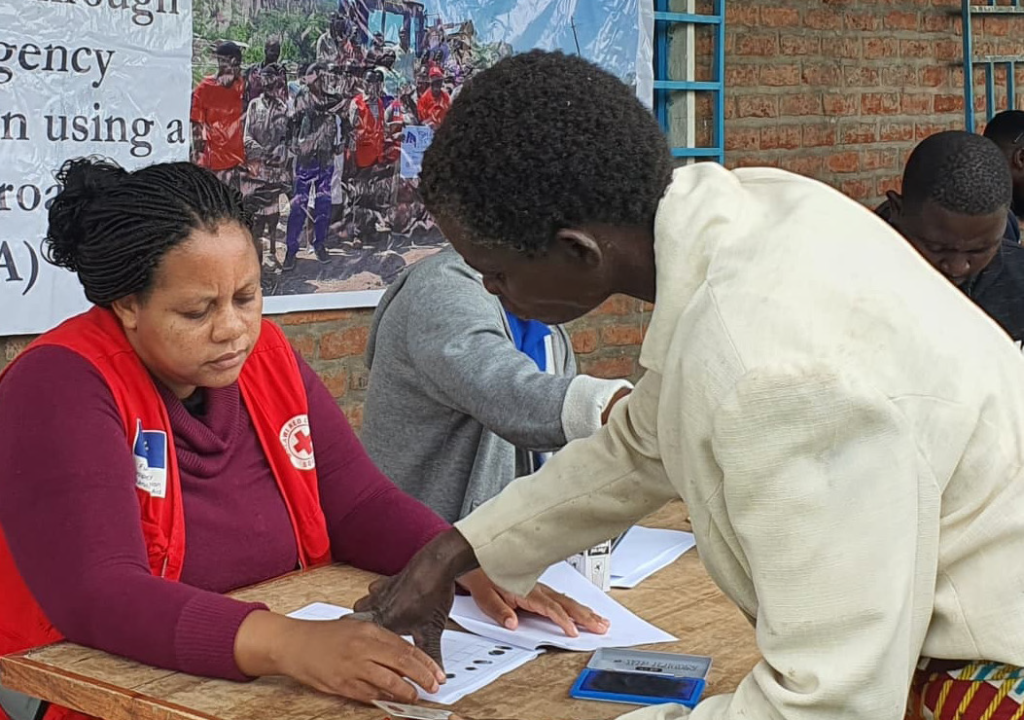
Malawi’s social protection programmes are facing serious pressure due to low funding, raising concerns about the government’s ability to support vulnerable groups, a new budget analysis has shown. In its analysis of the 2025/2026 mid-year budget analysis with a focus on social protection spending in health, education and extractive sectors, Malawi economic Justice Network observes that the social welfare sector received only 36 percent of its projected allocation at mid-year. The analysis further shows that funding patterns do not consistently prioritise programmes designed to reduce social and economic disparities.
Mejn executive director Bertha Phiri observed that the shortfall is likely to disrupt critical programmes aimed at supporting the poor, elderly, people with disabilities and other vulnerable groups. She said: “Funding patterns do not consistently support programmes aimed at reducing disparities, such as education access and social protection. “Prioritise timely disbursement to social welfare programmes and ring-fence funding for essential protection and social support services.” The development comes at a time development partners have flagged that Malawi’s social protection continues to deliver short-term relief, but struggles to sustain livelihoods, economic inclusion and creating jobs due to limited coverage.
This, they say, is because social safety nets reach just 27 percent of more than 20 million Malawians despite that 51 percent of the people live in poverty while 75 percent survive on less than $3 (about K5 253) a day. It also comes at a time Malawi spends just 0.9 percent of its gross domestic product on social safety nets, below the two percent regional average while heavy reliance on donor aid, at 95 percent, puts their sustainability at risk. Centre for Social Concern economic governance officer Agness Nyirongo observed that while social protection should be transformative and future-oriented, current programmes largely provide short-term relief.
[paywall]
She said: “While they help reduce extreme hunger, they rarely enable families to invest, save or build sustainable livelihoods. “Malawi’s social protection system remains heavily skewed toward social assistance, with limited focus on economic inclusion, entrepreneurship, social insurance or labour-market interventions.” Governance expert Lingalireni Mihowa observed that the economy is in distress with limited fiscal space for government allocations to social protection programmes.
[/paywall]
All Zim News – Bringing you the latest news and updates.
