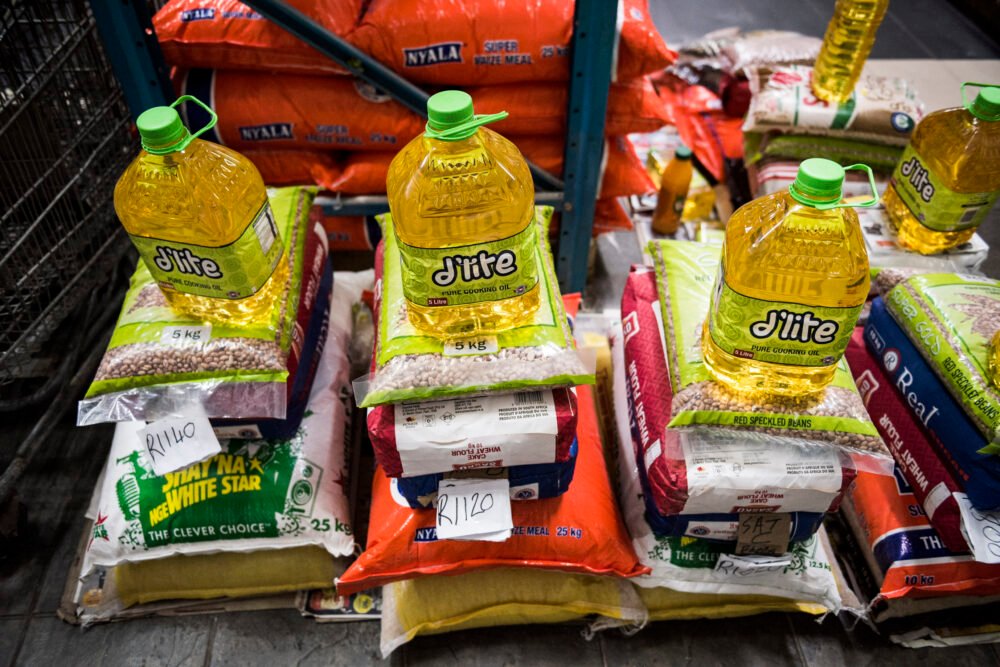
South Africa is facing adeepening hunger crisis, with millions of households skipping meals, compromising nutrition and resorting to harmful coping strategies because of rising food prices, unemployment and inequality. Between 2019 and 2023, the country’s severe hunger rate rose from 6.4% to 8%, leaving roughly one million more people going days without food, according toFoodForward SA’s flagshipState of Household Food Insecurity in South Africa Report 2026, which reveals the scale, persistence and severity of the crisis. Food assistance often serves as the last thin buffer in a system where food insecurity has becomechronic and structural.
The report is the product of an 18-month research partnership between FoodForward SA and theSouthern Africa Labour and Development Research Unit(Saldru) at the University of Cape Town. Using internationally recognised tools — including the UN Food and Agriculture Organisation’sFood Insecurity Experience Scale(FIES) — the study translates early warning signs into robust, policy-relevant evidence of a crisis that is worsening, not easing. Based on interviews with the heads of 796 households receiving food through FoodForward SA’s national network of beneficiary organisations, the findings reveal that hunger remains widespread, deeply entrenched and unrelenting — even among families already accessing food support.
According to the report, while progress had been made in the early 2000s, recent years have seen reversals due to conflict, climate change, economic downturns and global health crises. Rising food prices and supply chain disruptions have further undermined access for vulnerable populations. National trends show rapid deterioration.
Read Full Article on Mail & Guardian
[paywall]
Statistics South Africa data indicates food-insecure people rose from 14.25 million in 2019 to 17.8 million in 2023, while severe food insecurity surged from 5.2 million to 8 million. While social grants offer some protection, the report finds they are insufficient to offset rapid increases in food costs and growing household needs. One of the most striking findings is the depth of deprivation: about 70% of surveyed households experience moderate to severe food insecurity, while roughly one in four go an entire day without food.
These patterns appear consistently across both 12-month and 30-day reference periods, underscoring that food insecurity is structural rather than episodic. “This study shows, with painful clarity, that the food insecurity many South Africans live with is not occasional — it is a daily reality, even for families already receiving food support,” saidAndy Du Plessis, the managing director of FoodForward SA. “Behind every percentage is a household juggling impossible choices between food, transport, medication and debt.” He locates household hunger within a convergence of systemic crises that threaten the foundations of the country’s food systems and the well-being of its people. “Climate disruptions, biodiversity loss, land and water degradation, conflict, persistent inequalities and economic shocks are increasingly undermining our collective ability to ensure food security and nutrition for all,” he said.
[/paywall]
All Zim News – Bringing you the latest news and updates.
