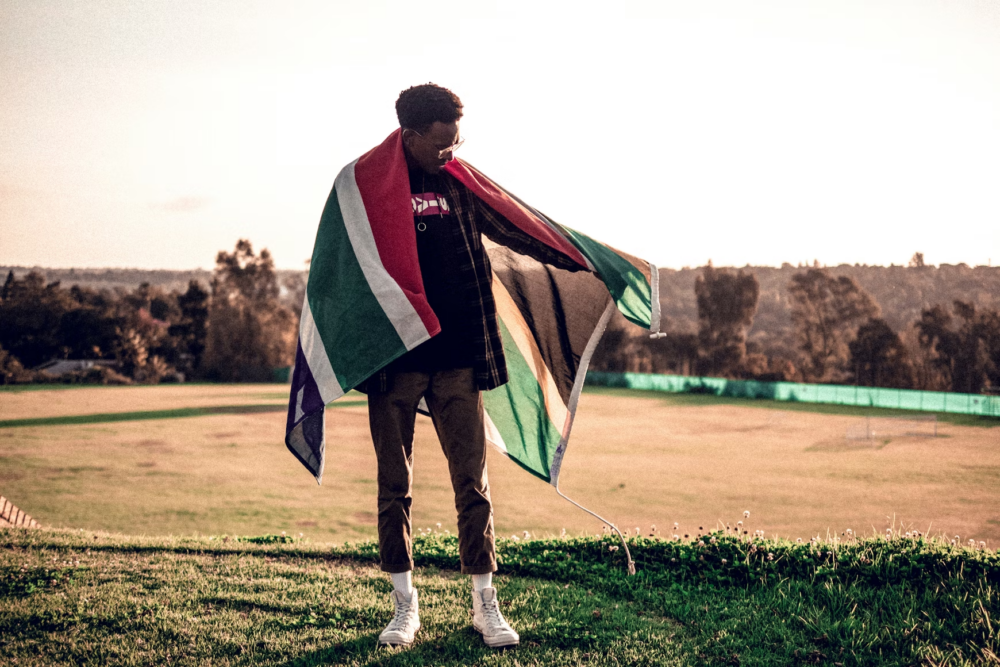
In South Africa, sport isn’t a hobby parked in a corner of life. It’s a social language. It decides what time people arrive at a family visit, how loud the TV gets on a Saturday, and whether the Monday mood feels light or heavy.
Football brings the weekly heartbeat – league matches, cup ties, derbies that split a street into two opinions. Rugby brings a different kind of pride: tactical, physical, often tied to national moments that become part of collective memory. What’s most striking is how sport helps people “place” themselves.
A club badge can signal where someone grew up, who they watch with, and which rival they love to tease. A national-team win can soften a tough week, because suddenly strangers are smiling at each other like they share a secret. This is identity, but not the stiff kind.
Read Full Article on Mail & Guardian
[paywall]
The everyday kind – worn, argued about, and celebrated. Domestic football has a rhythm that fits real life. Matches are frequent, storylines refresh quickly, and clubs have personalities people recognize instantly.
The Premier Soccer League’s ecosystem – league fixtures, cup competitions, and constant news – creates an always-on conversation that can start at breakfast and finish long after the final whistle. Derbies are where identity gets loud. It’s not only about the points table; it’s about bragging rights that last until the next meeting.
Even people who claim they’re “not that serious” somehow know the kickoff time and the starting striker, which is a very South African kind of honesty. When Bafana Bafana are playing, the conversation changes tone. People talk less like analysts and more like family members: worried, hopeful, occasionally dramatic, always invested.
National-team football creates a rare shared space where club rivalries pause long enough for a common goal. This is also where social identity shows up in small rituals: certain seats become “lucky,” certain friends become “too negative,” and someone always insists the coach should “just keep it simple,” as if simplicity ever wins a tournament. Rugby sits differently in the culture, but it’s just as powerful.
The Springboks’ Rugby World Cup 2023 victory is still a reference point in 2026 – not only as a sporting achievement, but as proof that pressure can be carried and still turned into results. Rugby also connects strongly to pathways: schools, clubs, franchises, and that steady climb from raw talent to professional systems. And then there’s the club/pro franchise layer.
With South African teams competing in the United Rugby Championship, supporters follow weekend fixtures that come with travel, rivalries, and a sense that local teams are measuring themselves against strong opposition often. In many communities, sport functions like a third place – somewhere between home and work where relationships get maintained. A viewing spot becomes a routine.
A shop with a TV becomes a meeting point. A neighbor who never talks suddenly has plenty to say when the referee makes a decision everyone hates. This matters because identity isn’t only about pride.
It’s about belonging. Sport gives people a predictable, shared event in a world that can feel unpredictable. On derby weekends, the debate about “who’s really favored?” starts long before the first touch.
When fans track odds inonline betting, the usual talk about form, injuries, and home advantage gains a clear numerical angle. Markets often read like a snapshot of crowd confidence: prices shorten when news lands, drift when uncertainty grows, and compress when the matchup feels genuinely even. For many supporters, checking odds doesn’t dilute loyalty – it simply adds another lens to the same matchday argument. Football already runs on a tight schedule, so betting can fit into existing routines rather than demand new ones.
[/paywall]
