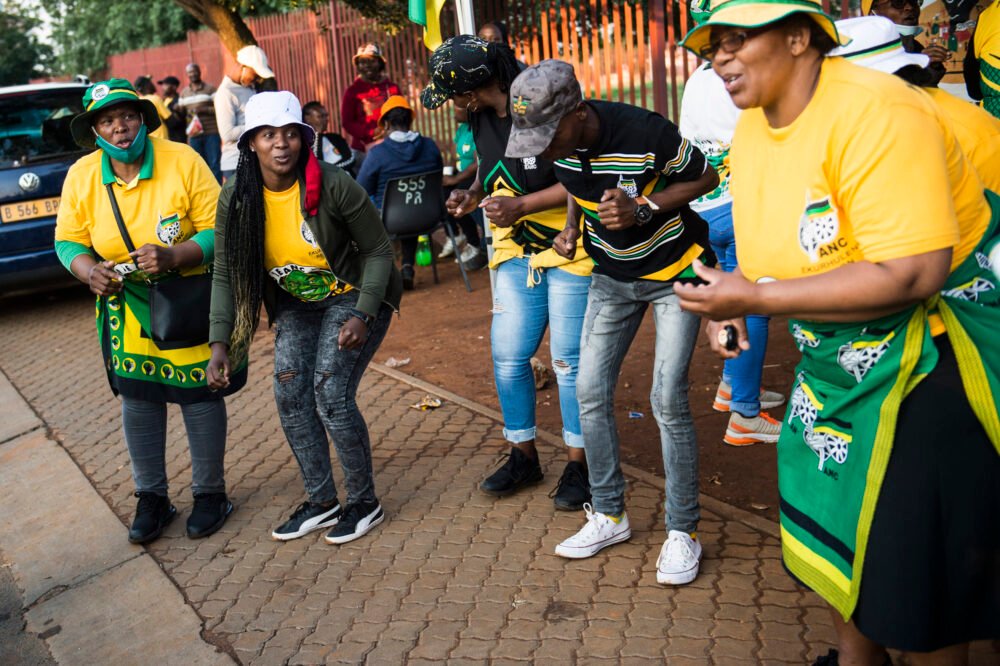
Gauteng should have been the African National Congress’s (ANC) most secure stronghold. It is South Africa’s economic engine, home to the largest concentration of urban voters, capital markets, industry and skills. For decades, the province underpinned the ANC’s national dominance and projected the image of an unstoppable liberation movement transitioning smoothly into a governing party.
Instead, Gauteng has become the ANC’s most unforgiving mirror: a province that has steadily and, now decisively, withdrawn its consent to be governed by spectacle rather than substance. The numbers tell a stark and unambiguous story. In the 2009 provincial election, the ANC commanded 64.04% of the Gauteng vote.
In 2019, it slid to just above 50%, a further 3.4 percentage point drop. This is not gradual electoral drift. It is a structured rejection.
Read Full Article on Mail & Guardian
[paywall]
And it is not random. The steepest declines align closely with specific leadership eras and governing styles that prioritised political theatre, personality and performative politics over institutional competence and delivery. While electoral decline has been long-term and cumulative, the sharpest and most damaging voter losses occurred under the premierships of Nomvula Mokonyane and Lesufi.
Between them, they presided over the two largest single-period declines in ANC support in the province’s democratic history. Mokonyane inherited Gauteng at the absolute height of ANC dominance in 2009. The party was electorally unchallenged, organisationally confident and politically entrenched.
Five years later, she left the province materially weakened. ANC support fell from 64.04% to 53.59%, a staggering 10.45 percentage point decline in a single term. That drop alone should have triggered deep introspection within the party.
Instead, it was largely explained away. The self-proclaimed “Mama Action” earned her reputation through spectacle rather than substance. Her tenure was a masterclass in announcements, public insults and headline-grabbing interventions that rarely survived beyond the press release.
Township revitalisation projects were rolled out with great fanfare, only to stall and quietly collapse. Economic initiatives were promised with bold rhetoric but failed to materialise at scale. Even the Alexandra Renewal Project, intended as a showcase of post-apartheid urban transformation, became shorthand for waste, opacity and unfulfilled promises.
And her infamous “dirty votes” remarks reminded residents that contempt could travel faster than service delivery. Voters did not abandon the ANC because of ideology; they walked away because the reality of their daily lives persistently contradicted the official narrative.
[/paywall]
