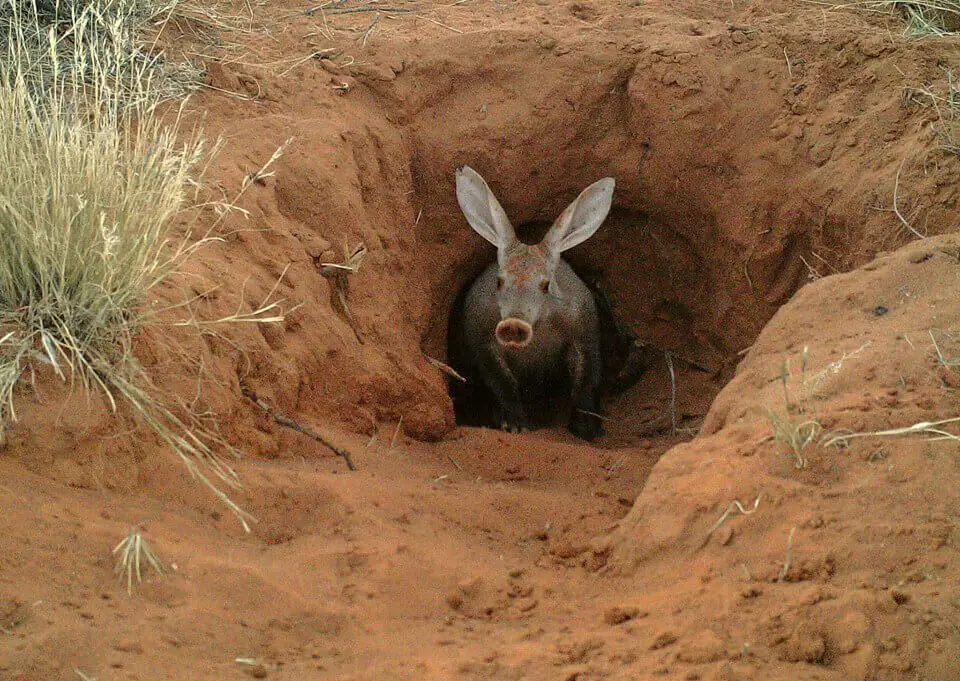
Nearly 20% of assessed mammal species in South Africa, Eswatini and Lesotho are threatened with extinction and a further 12% are near-threatened. This is according to the2025 Regional Mammal Red List of Threatened Species, a major new assessment coordinated by theEndangered Wildlife Trustand theSouth African National Biodiversity Institute, along with 150 species experts. The revised Red List shows that11 mammal species have worsened in conservation status(uplisted) since the previous assessment in 2016, while only three species have improved (downlisted), pointing to mounting pressures on the region’s wildlife despite decades of conservation effort.
Of the 336 mammals assessed, 67 species are endemic to the region, meaning they occur nowhere else on Earth. The results show that 42% of the endemic mammals are threatened with extinction, placing full responsibility for their protection and survival on the countries where they occur. This includes species such asLesueur’s hairy batandLaminate vlei rat, both of which were uplisted to higher threat categories and are poorly protected or not protected at all within conservation areas.
“We need to protect our endemics,”Dr Tamanna Patel, the coordinator of the Mammal Red List, emphasised. TheIUCN Red List of Threatened Specieswas a comprehensive inventory of the global extinction risk of animals, fungi and plants at either a global, regional or national scale, she explained. It acted as a crucial indicator of global biodiversity health, classifying the survival risk facing species into nine categories (from least concern to extinct) and based on objective criteria, providing data on threats, habitats and conservation needs to guide policy and action.
Read Full Article on Mail & Guardian
[paywall]
“Along with assessing the risk of species becoming globally extinct, it is important to assess species at regional and national levels where conservation policy is often implemented,” Patel said. Red Lists guide conservation action but if assessments are outdated, the limited conservation resources might not focus on species that require the most urgent intervention. The assessment identifieshabitat loss and degradationas the dominant drivers of mammal declines, largely because of agricultural expansion, urban development and infrastructure growth.
The pressures are compounded by climate change and extreme weather events, as well as over-exploitation and poaching. While South Africa’s protected-area network offers some buffers, it is far from comprehensive.
[/paywall]
