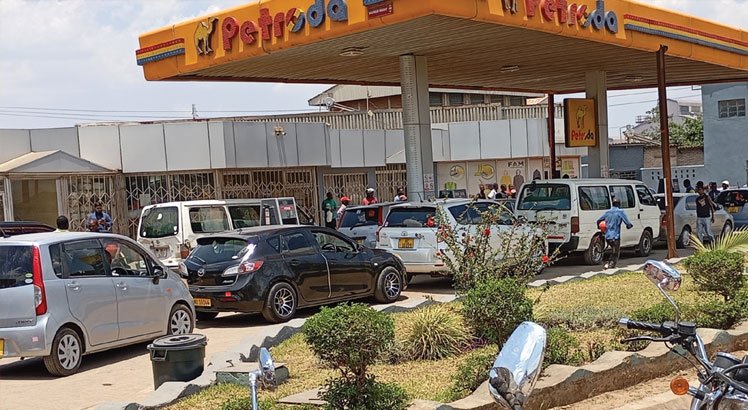
These sudden, severe price shocks are typical when a government artificially holds prices in the misguided belief that it is protecting households and firms—until the unsupported prices are no longer sustainable, triggering the kind of devastating spikes witnessed yesterday and last October. Malawi Energy Regulatory Authority (Mera) board chairperson Lucas Kondowe said as much yesterday, noting that Mera has historically adopted the APM policy under which a movement in model parameters increase/decrease of more than five percent triggers an automatic price adjustment. Economists yesterday agreed that the increases, while long overdue, will now lead to plummeting household purchasing power among other severe, long-term economic damages such as the current high and unsustainable total public debt that now stands at around 90 percent of Malawi’s gross domestic product.
Yesterday’s announcement of the new prices by Mera also included adjustments to some fuel levies, which form part of the petroleum pump price build up. In separate interviews yesterday, leaders of the Economics Association of Malawi (Ecama), Malawi Confederation of Chambers of Commerce and Industry (MCCCI), Transporters Association of Malawi, among others, acknowledged the necessity of the increases, but urged government to strike a balance between responding to market forces, which could help to ensure product availability on one hand and cushioning consumers, on the other. Ecama president Bertha Bangara-Chikadza said given that the economy is still absorbing the shock from the October 1 2025 fuel price hike, there is need to cushion households before fully passing on additional costs to allow better policy coordination and ensure that fiscal, monetary and supply-side measures are aligned.
She said: “Mindful that we need to be competitive regionally to avoid subsidising other countries by making the product cheaper, we need to strike a balance, how and when these adjustments are made matters greatly. “While the automatic pricing mechanism helps ensure fuel availability and limits fiscal losses, government also has a responsibility to manage the broader economic impact.” Bangara-Chikadza, who teaches economics at the University of Malawi in Zomba, advised government to adopt a gradual and predictable adjustment mechanism to avoid sudden shocks to households and businesses, align price adjustments with the country’s income levels, productivity and social conditions and strengthen social protection measures to cushion the most vulnerable groups. Mera hiked fuel pump prices by an average of 41.6 percent with a litre of petrol fetching K4 695 from K3 499 while a litre of diesel is fetching K4 945 from K3 500.
[paywall]
Last October, Mera hiked prices by 33.16 percent, which was the first jump in two years. In a separate interview, MCCCI chief executive officer Daisy Kambalame said while the hike is necessary, it will intensify existing economic pressures, including persistently high non-food inflation and acute foreign exchange constraints. She said that the impact on businesses is substantial, with transport, agriculture, manufacturing and logistics sectors experiencing sharply rising operating costs and reduced competitiveness.
[/paywall]
