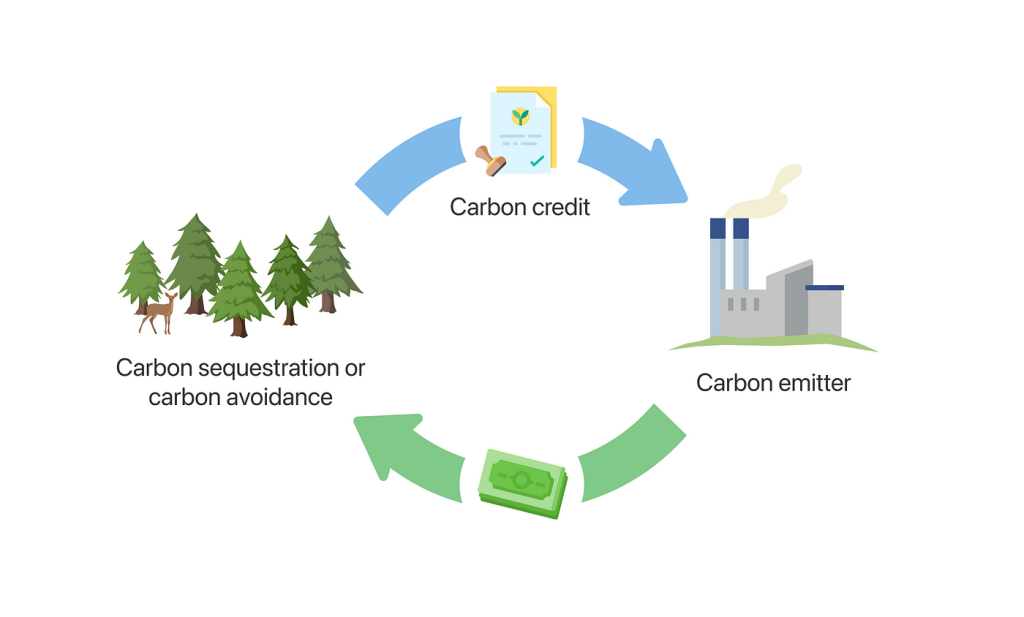
Malawi is positioning carbon trading as a new source of climate finance with authorities saying the emerging market could help fund conservation, climate resilience and community development without increasing public debt. The plan was outlined on Monday in Salima at a carbon trading awareness and media training workshop under the World Bank-supported Regional Climate Resilience Programme (RCRP). In his remarks, Ministry of Natural Resources director of environmental affairs Tawonga Luka said carbon trading offers Malawi an opportunity to mobilise development finance while attracting environmentally sustainable investment.
“Carbon trading provides a new source of financing that can be used for conservation efforts, climate adaptation and mitigation, but also contributing overall to the development of the country,” she said. Luka said the carbon market framework released last year is part of a broader government strategy to define rules for authorisation, monitoring, reporting and verification. RCRP media specialist Yvonne Sundu said climate resilience initiatives should translate into tangible economic benefits for vulnerable households, particularly in urban and disaster-prone areas.
She said under RCRP-linked interventions, government is implementing labour-intensive public works programmes targeting about 13 000 ultra-poor but labour-capable households. The training forms part of the RCRP for Eastern and Southern Africa, a 10-year initiative financed by a $240 million (about K420 billion) grant from the World Bank.
