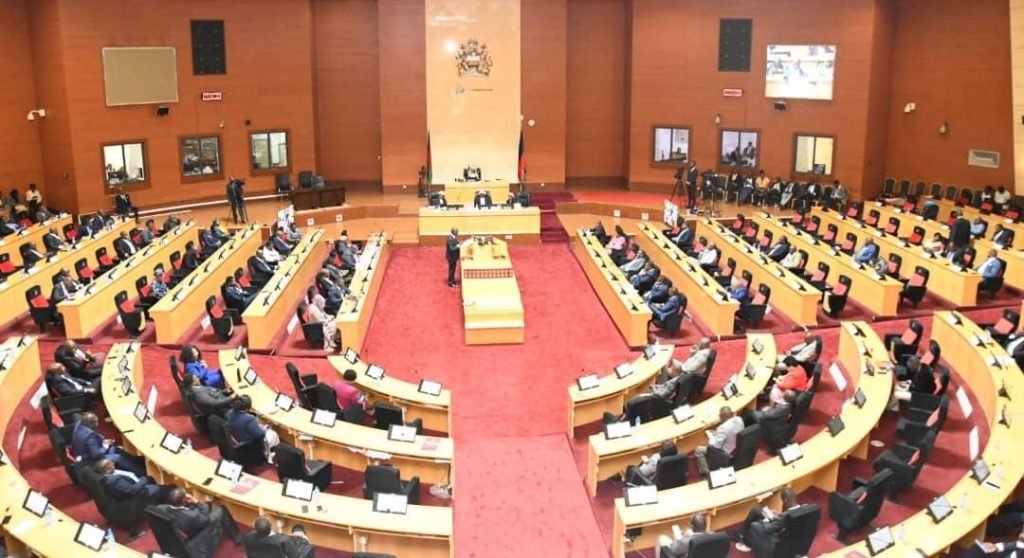
The governing Democratic Progressive Party (DPP) has gained 22 independent members of Parliament (MPs) who have switched allegiance in the 229-member National Assembly after the September 16 General Election. Following the development, DPP has 99 MPs, according to the party’s Chief Whip in Parliament Patricia Wiskes. “We [DPP] now stand at 99 and we expect the number to increase because more are joining,” she said in an interview.
In the general election, DPP secured 77 MPs while independent candidates won 71 seats and Malawi Congress Party (MCP), which was in power before the elections, claimed 53 out of the 224 parliamentary results announced. Malawi Electoral Commission is yet to hold elections in five constituencies and has set March 17 2026 as the date for by-elections. During the elections, UTM Party won eight seats, United Democratic Front four seats, People’s Party (PP) and Alliance for Democracy (Aford) won three each while Freedom Party, National Democratic Party and People’s Development Party took one apiece.
However, DPP’s bolstered numbers still fall short of a simple majority let alone the two-thirds or 153 MPs required to pass constitutional amendment Bills without banking on the opposition parties. Meanwhile, political pundits have described as “betrayal” the growing tendency among most independent MPs to switch allegiance to political parties. Political analyst Wonderful Mkhutche said in an interview yesterday that most independent MPs contested as independents after being frustrated by primary elections in the parties, only to return to the political organisations after winning the election.
[paywall]
He said: “Everyone is for themselves and this forces them to have a ‘home’ in the parties. Some who join the ruling party go there for the crumbs of power, whether in political or material gains. “To a great extent, this is a betrayal to the voters.
An elected representative is supposed to represent what people voted for them to represent, in this case, as an independent MP.” Electoral and identity politics expert Ernest Thindwa agreed with Mkhutche in a separate interview, saying the growth of the independents bloc is better explained by weak party organisation and discipline exposed by the irregular character of primary elections and opportunistic tendencies by candidates. He said: “Joining politics and a political party for many, is not driven by the pursuit of a particular societal cause, but perceived as a platform for advancing personal goals, hardly aligned to collective welfare but rather the search for financial gain and access to valued opportunities. “Should the elected, including independents, desire to change identity or allegiance in Parliament, ideals of representative democracy demand they surrender the legislative seat and seek fresh mandate from the electorate on the basis of the desirable identity.” Thindwa said strengthening of the relevant law to curb betrayal of the electorate and civic education aimed at empowering constituents for pressure to bear on who would be defectors will be central in that regard.
[/paywall]
