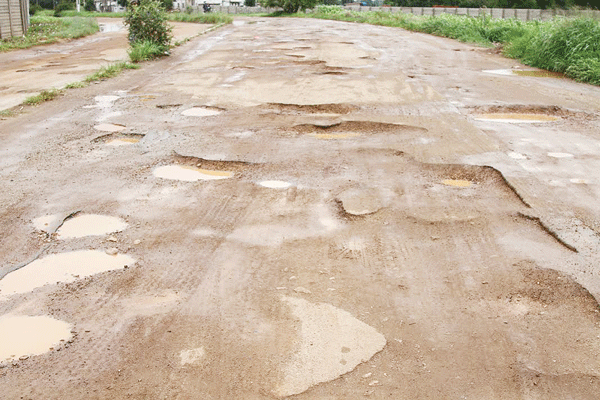
The Ministry of Transport and Infrastructural Development’s latest appeal to citizens to report potholes and urgent road defects through dedicated provincial hotlines, is facing a test of credibility, as questions mount over whether reporting alone can meaningfully resolve a road crisis rooted in years of underfunding, delayed maintenance and weak accountability. For many, the move appears less like citizen empowerment and more like an abdication of state responsibility, shifting the burden of monitoring and accountability onto the public after years of institutional neglect that have left Zimbabwe’s road network in disrepair. On January 19, 2026,the ministry rolled out hotlines in all ten provinces, urging citizens to report potholes and urgent defects by sending clear photos or videos and sharing exact locations to enable swift action.
“The ministry calls on the public to become active partners in road maintenance by reporting potholes and urgent defects. Your vigilance is invaluable. Prompt reports enable faster response, efficient resource allocation and prevent minor issues from becoming hazards,” the ministry said.
It added that the initiative aligns with President Emmerson Mnangagwa’s development mantra of “leaving no one and no place behind.” The appeal comes as urban roads, highways and rural routes across the country are riddled with craters that damage vehicles, slow business and in some cases, claim lives. “Kushaya zvekuita uku. Ko Byo–Vic Falls Road ine mapotholes here kana kuti hapachisina road?
[paywall]
How do we report it since they want to concentrate on potholes?” one resident commented in a WhatsApp group. Another added: “Haaa, is there any need to report potholes paroad yagara yakatofa hayo, e.g. Tsholotsho–Nyamandlovu Road?
Hakuchina road.” Others were cautiously optimistic. “Will test it out tomorrow morning,” one resident said, while another commented: “Now that the central government realises the involvement of ordinary citizens is vital, I hope our cities will do likewise. We are tired of numerous excuses.” In an interview with CITE, Emthunzini resident Emmanuel Sibanda said the deteriorating road network reflects long-standing neglect rather than seasonal challenges.
“The roads are terrible, especially urban roads and highways carrying heavy traffic and overloaded trucks. Yes, it’s raining now and drainage is poor, but potholes have always been there, even during dry months,” he said. Although the ministry published a list of provincial road engineers and their contact details, several motorists argued that reporting has never been the main obstacle.
[/paywall]
