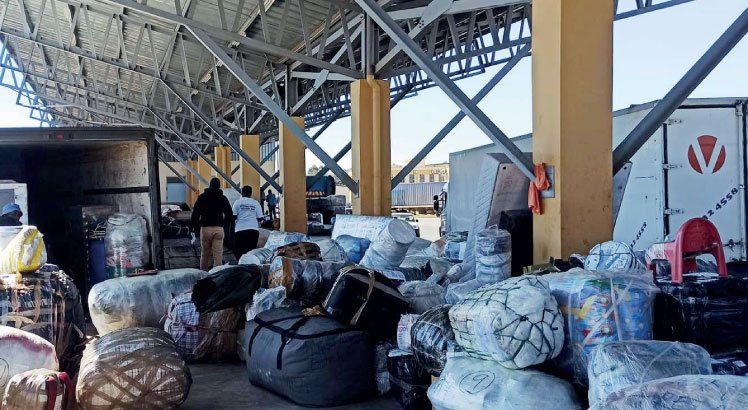
Malawi’s informal trade with neighbouring countries such as Mozambique, Tanzania, and Zambia remains constrained by limited access to regional currencies in the local banking system. While cross-border trade is active, commercial banks largely focus on globally traded currencies like the US dollar, rand, euro, and Pound Sterling. Regional currencies are rarely available, forcing traders to rely on the black market, exposing them to volatility, fraud, and security risks.
The Reserve Bank of Malawi (RBM) attributes this to structural and operational factors, while some experts point to the informality of the cross-border trade. Mchinji Boma-based trader Wezzie Chirwa said accessing the Zambian kwacha through Malawian banks is nearly impossible. “We use money changers at the border who readily provide the kwacha when we trade in Zambia,” said Chirwa.
He added that black market exchange rates are unstable, changing within hours depending on demand. Similar challenges exist at Muloza Border in Mulanje, where coconut trader Maxwell Machande said access to the Mozambican metical depends entirely on informal dealers. “The rate can change several times a day, forcing traders to sell commodities at lower prices because of high exchange costs,” he said.
[paywall]
At Songwe Border in Karonga, traders struggle to access the Tanzanian shilling. “Exchange rates are unstable, forcing us to overprice goods, which reduces competitiveness,” said one of the traders, Blessings Chimbalanga. Scotland-based economic policy expert Veli Nyirongo said Malawi’s persistent foreign exchange shortages explain why banks do not stock regional currencies.
“Much of cross-border trade is informal, so demand is not captured in official banking data. Foreign reserves are prioritised for essential imports traded mainly in US dollars,” he said. Nyirongo added that holding regional currencies involves operational complexities and liquidity risks due to small transaction volumes, giving banks limited incentive. However, he warned this approach has costs: “Banks lose business to parallel market operators and miss opportunities to support small traders, deepen financial inclusion, and formalise regional trade.” Financial analyst Brian Kampanje agreed, noting that banks prefer US dollars due to strong demand from large importers and higher trading margins.
[/paywall]
