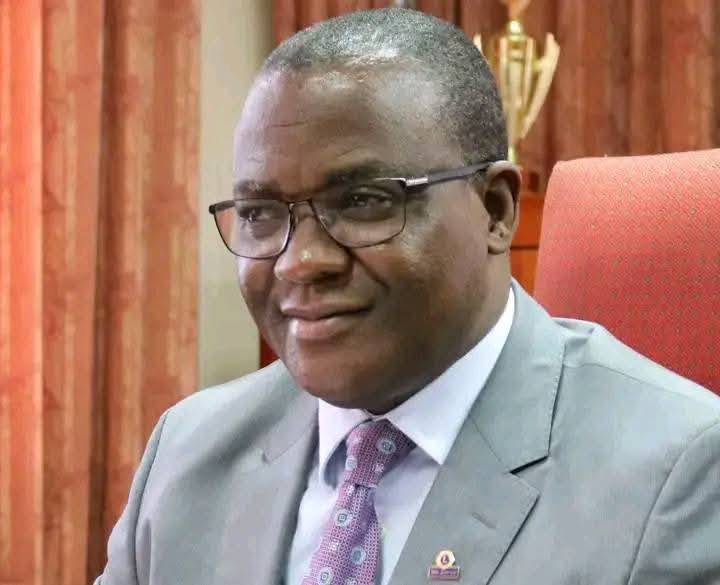
President Arthur Peter Mutharika has ignited a storm after appointing Henry Mathanga as Deputy Governor of the Reserve Bank of Malawi (RBM) despite the fact that Mathanga was previously dismissed for misconduct and is currently facing criminal charges before the Financial Crimes Division of the High Court. The appointment has triggered serious legal and economic concerns, with experts warning that it violates the Reserve Bank of Malawi Act and threatens Malawi’s credibility with international lenders, including the International Monetary Fund (IMF). Mathanga was removed from the central bank following a formal disciplinary inquiry conducted under the RBM Act.
The inquiry included respected economist Professor Betchani Tchereni Mangani, among others, and concluded that Mathanga had committed misconduct serious enough to justify dismissal. Despite this, President Mutharika has now returned him to the very institution that lawfully fired him — this time as one of its top executives. Legal experts point out that the law does not allow this.
Section 16(2) of the Reserve Bank of Malawi Act states that Deputy Governors must be appointed “from within members of staff of the Bank.”This means only serving RBM employees are eligible. Mathanga, having been dismissed, is no longer a member of staff and therefore does not qualify to be appointed. Retired and dismissed officers are not legally eligible under the Act.
Read Full Article on Nyasa Times
[paywall]
The controversy is made worse by the fact that Mathanga is still answering charges in court related to financial misconduct. Under RBM regulations, senior officers in financial institutions must pass a strict “fit and proper” test, which bars people with unresolved criminal cases or integrity issues from holding such positions. The appointment also comes at a sensitive time for Malawi’s economy.
The country is engaged in negotiations with the IMF for financial support, and the IMF had previously recommended disciplinary action against Mathanga over governance concerns at RBM. Economists warn that placing him back at the centre of the country’s financial system sends a damaging signal to donors and investors. “This undermines Malawi’s reform agenda and destroys confidence in the independence and integrity of the central bank,” one analyst said.
With inflation rising, the kwacha under pressure and public finances in crisis, critics say the decision risks turning RBM into a political instrument instead of a professional regulator. As public anger grows, many Malawians are asking how a man who was fired for misconduct and is still facing criminal charges can now be trusted with the keys to the nation’s economy.
[/paywall]
