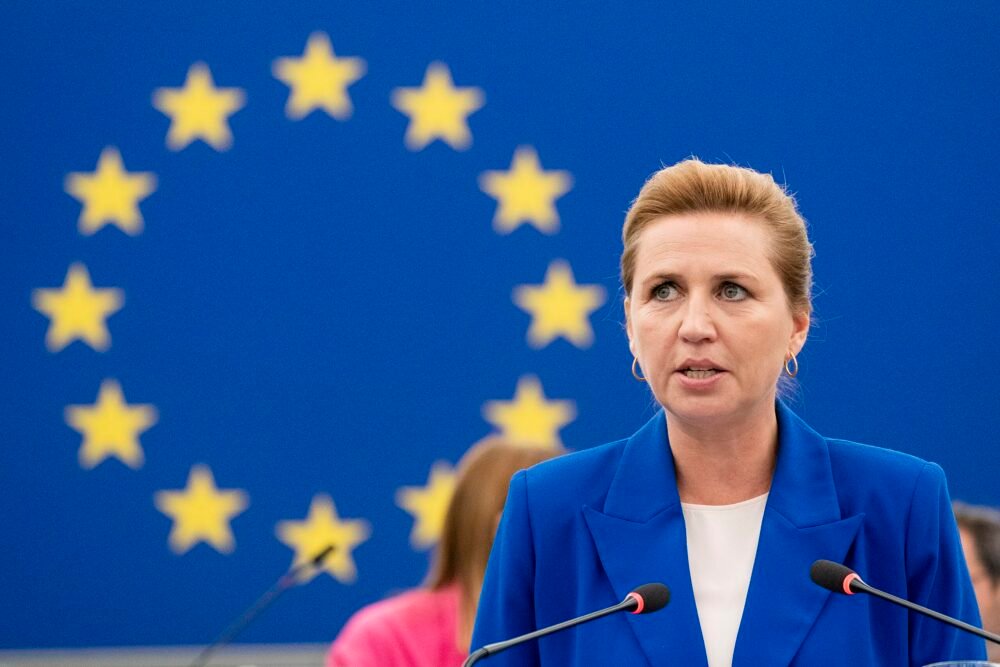
Europe’s collective response to Russia’s full-scale invasion of Ukraine has been hailed as one of the most decisive demonstrations of post-Cold War unity in defence of international law. The United Kingdom, the European Union and individual states like Denmark classified Moscow’s February 2022 offensive as an illegal, unprovoked assault on sovereignty, reinforcing Article 2(4) of the United Nations Charter and triggering extensive sanctions and military support for Kyiv. Yet in the early weeks of 2026, a geopolitical contradiction has struck both observers and policymakers: while Europe’s moral clarity remains robust toward Moscow’s aggression, that same clarity is strikingly absent in the face of aggressive US actions against the republics of South America.
This uneven application of legal and ethical principles risks eroding the very norms European capitals claim to uphold. In an unprecedented military operation over the weekend, US forces struck deep within Venezuelan territory to seize President Nicolás Maduro and his wife, Cilia Flores, in what the White House has described as a targeted strike against cartel-linked narco-terrorism. Both were swiftly transported out of Caracas, ultimately reaching New York City for arraignment on federal charges related to drug trafficking, narco-terrorism conspiracy, bribery and machine-gun possession.
These are charges that carry potential life sentences if convictions are secured. The dramatic operation, codenamed Operation Absolute Resolve, resulted in Maduro and Flores being removed from fortified military compounds in the Venezuelan capital and brought onto US soil under heavy escort. They appeared in a Manhattan federal courthouse this week, wearing standard detention attire as their legal teams prepared to challenge the legitimacy of their capture on grounds including sovereign immunity.
Read Full Article on Mail & Guardian
[paywall]
Washington has justified the operation as a law-enforcement action, emphasizing longstanding indictments and alleged ties between the Venezuelan leadership and major international drug networks. However, US President Donald Trump’s comments following the raid have exacerbated international concern. Trump confirmed that investigators are contemplating an additional strike if the Venezuelan government does not cooperate with US objectives, a statement that many observers warn verges on extortion.
Even as global attention focuses on Caracas and New York, the contrast with Europe’s reaction to similar breaches of sovereignty is striking. In the case of Ukraine, Europe’s leaders publicly condemned Russia’s actions, aligned sanctions and mobilised military assistance. In the case of Venezuela, a sovereign nation where the US executed a military capture of its head of state, there has been no unified European condemnation, no collective declaration that the US actions violate international law. Instead, EU leaders have offered what some observers describe as pared-down cautious responses, coupling concern over the legality of US intervention with geopolitical calculation over continued alliance priorities.
[/paywall]
