Some of the country’s long-term development partners say Malawi’s recovery will depend on government’s ability to push through reforms beyond the next political cycle. In a joint Policy Priorities for Malawi’s Recovery Note, the United Nations, African Development Bank (AfDB) and the World Bank observed that a new International Monetary Fund (IMF) programme could only help anchor the reforms, whose past efforts have often stalled before delivering results, weakening prospects for sustained growth, economic transformation and poverty reduction. Presently, Malawi faces a severe and persistent fiscal financing gap, driven by a growing mismatch between the country’s substantial development needs and limited annual revenues estimated at just K4 trillion against a government workforce of over 300 000 civil servants.
The resources are also meant to educate 4.5 million children, implement 234 public investment projects and operate more than 60 State-owned enterprises and statutory corporations, according to the policy note. Reads the analysis in part: “The government has a unique opportunity to frame its economic reform and recovery plan over the next five years as a national compact to secure Malawi’s future. “As implementing the plan will involve difficult short-term decisions, especially around urgent macroeconomic reforms, an inclusive process that engages the government, the private sector, civil society, citizens, development partners and other key stakeholders will be vital to build broad-based support and reduce the risk of policy reversals.” The development partners proposed policy reform priorities for the first three months and first 18 months including restoring macroeconomic stability, enabling a dynamic private sector, building human capital and resilience and strengthening critical infrastructure for growth.
Malawi is experiencing its most severe foreign-exchange and balance-of-payment crises since independence with gross reserves having declined dramatically since 2019 and net reserves in negative at $660 million. Total public spending has almost doubled over the past decade, rising from 16 percent of gross domestic product (GDP) in 2011/12 to 30.7 percent in 2024/25 financial year as public debt stock has continued to surged in recent decades, driving a threefold increase in interest payments since 2015. Countries such as Mongolia, Senegal, and Timor Leste have adopted national compacts to help build consensus around important institutional and policy reforms.
[paywall]
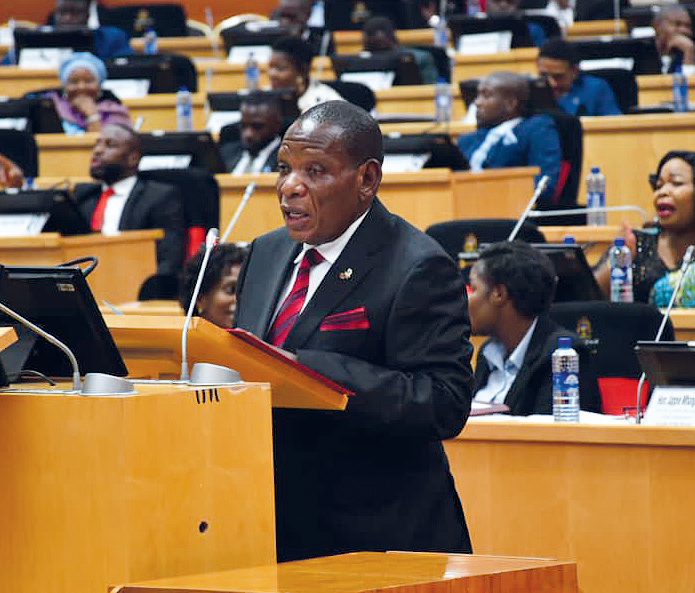
Minister of Finance, Economic Planning and Decentralisation Joseph Mwanamvekha said government has set a clear policy direction for the National Economic Recovery Plan aimed at stabilising the economy, restoring confidence and accelerating inclusive and sustainable growth. He said government is priotising strengthening domestic resource mobilization to reduce reliance on external financing, improving public expenditure efficiency and value for money advancing debt restructuring efforts to restore debt sustainability.
[/paywall]
