Former Oil Marketing Companies Association of Zambia (OMCAZ) presidentDr Kafula Mubangahas accused the government of deliberately weakening Zambia’s petroleum sector by restricting fuel importation to a small number of companies, despite issuing hundreds of import licences to market participants. Dr Mubanga said the current fuel import arrangement has undermined competition, distorted the market, and exposed the country to supply risks. He alleged that althoughmore than 500 fuel import licenceshave been issued by authorities,only three companies are actively importing fuel into the country.
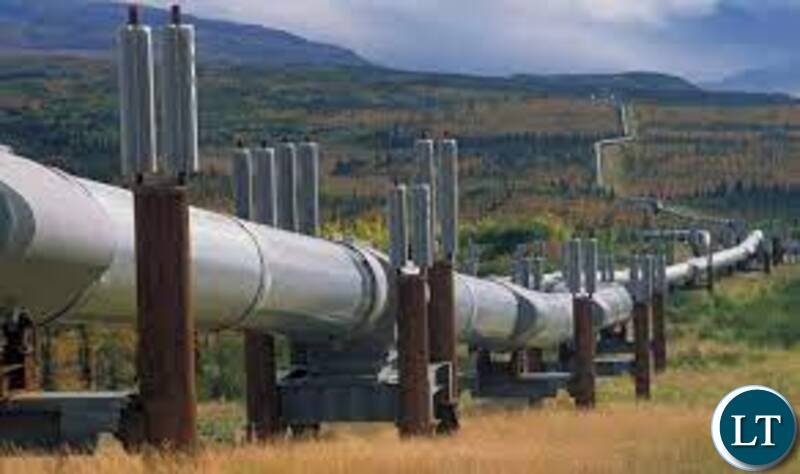
He identified access to theTAZAMA Pipelineas the central constraint in the fuel supply chain. The pipeline, which transports petroleum products from Dar es Salaam into Zambia, offers significantly lower transportation costs compared to road haulage. Dr Mubanga said companies that are excluded from accessing TAZAMA are effectively locked out of the fuel import market due to the high cost of alternative logistics.
Dr Mubanga alleged that access to TAZAMA has been monopolised through selective fuel supply contracts, which he said favour a small group of companies. He argued that this has turned what should be a competitive, open-access infrastructure into a gatekeeping mechanism that determines who can import fuel. He said the petroleum sector previously operated under a more competitive framework, where licensed oil marketing companies independently sourced fuel, arranged transportation, and supplied the domestic market.
Read Full Article on Lusaka Times
[paywall]
Under that system, he said, competition helped stabilise supply and pricing while reducing dependence on a few dominant players. Dr Mubanga warned that the concentration of fuel importation in the hands of a small number of firms exposes Zambia to significant supply vulnerabilities. He said any logistical disruption, financial difficulty, or operational failure affecting one of the dominant importers could have immediate nationwide consequences.
He also questioned the credibility of the fuel licensing system, arguing that issuing hundreds of licences while structurally preventing licensees from importing fuel creates a false impression of market openness. According to Dr Mubanga, many companies have invested in compliance and licensing requirements only to find that they cannot access fuel import infrastructure. Dr Mubanga further criticised what he described as politically influenced fuel procurement arrangements, arguing that the petroleum sector should be governed by transparent, predictable rules rather than discretionary allocation of opportunities.
He said investor confidence in the energy sector depends on fair access to infrastructure, consistency in policy implementation, and the absence of preferential treatment. Dr Mubanga called for urgent reforms to restore competition in fuel importation, including transparent access to the TAZAMA Pipeline, equal treatment of licensed oil marketing companies, and a review of fuel supply contracting practices. He said without such reforms, the petroleum sector risks continued market distortion, weakened competition, and long-term supply instability.
[/paywall]
