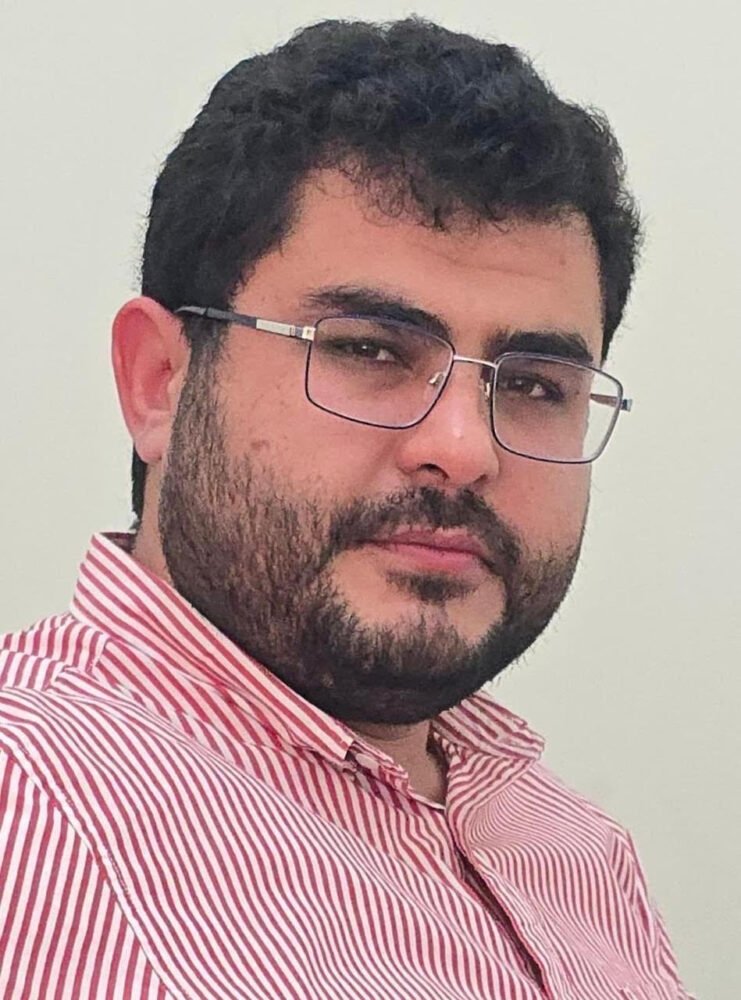
The Johannesburg-basedUniversal Rights Association(URA) has raised urgent concerns over the detention of Emre Çınar, a Turkish lawyer living in exile inMozambique, warning that the case may reflect a broader pattern of transnational repression linked to political pressure from Türkiye. Çınar, 35, has lived in Maputo since 2017. According to URA, he was detained on 30 December at around 3pm.
For several days following his arrest, his whereabouts were unknown, prompting fears that he had been subjected to secret or unlawful detention. What initially appeared to be a routine arrest, URA said, quickly evolved into a legal and humanitarian grey zone. Family members and local reports indicated that Çınar’s phone and personal belongings were confiscated at the time of his detention.
He was reportedly told he would be taken to the public prosecutor’s office. However, for days there was no confirmation of his location within the formal justice system, and no explanation was provided to his lawyers or family. URA highlighted a series of troubling facts during this initial period: Çınar had not appeared before a prosecutor, was not registered at any police station, and there was no publicly available record of his detention.
Read Full Article on Mail & Guardian
[paywall]
These gaps raised fears of enforced disappearance or incommunicado detention. Çınar fledTürkiyein 2017 amid political pressure following the government’s crackdown on alleged critics. He has since lived lawfully in Mozambique and is known locally as the legal representative of Willow International School.
Early Mozambican media reports described his detention as a possible kidnapping, intensifying concerns that the case might be linked to political persecution beyond Türkiye’s borders. On Thursday, URA issued a Public Human Rights Update outlining ongoing due process concerns. The organisation recalled Amnesty International Southern Africa’s public call urging Mozambican authorities to grant Çınar confidential access to his lawyer and family, and stressing that no individual should be transferred to a country where they face a real risk of serious human rights violations, including arbitrary detention.
According to URA, since his detention on 30 December 2025, neither Çınar’s family nor his legal representatives have been granted face-to-face or confidential access to him. As of 1 January, no direct in-person access to legal counsel had been permitted. URA further stated that the family and lawyers have not been formally informed whether Çınar has appeared before a judge, any judicial decision authorising his detention, arrest or extradition has been issued and the legal and factual grounds of the alleged extradition request have been disclosed.
While investigative proceedings may involve limited confidentiality, URA stressed that the legal basis of detention and the right to confidential access to counsel and family cannot lawfully remain undisclosed. In the absence of these safeguards, the right to defence is undermined, heightening the risk of arbitrary or incommunicado detention.
[/paywall]
