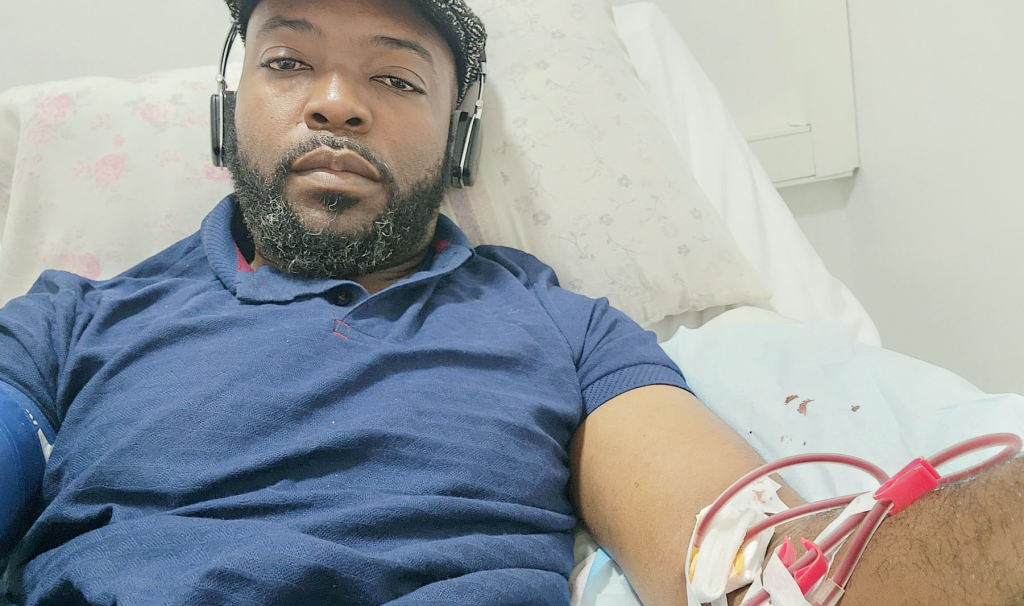
Recently, Kamuzu Central Hospital (KCH) in Lilongwe shuttled a busload of its kidney disease patients to Mwaiwathu Private Hospital in Blantyre following a stutter in the government-owned dialysis machines. The breakdown in artificial kidneys left the patients who need the blood-cleaning service twice or thrice a week bearing extra costs. The worst hit were those without friends and relatives to accommodate them in the receiving city, and some lost their lives because they could not afford routine care away from home.
This highlights a neglected gap in the healthcare system. The nation of about 22 million people has only two public health facilities—KCH and Queen Elizabeth Central Hospital (QECH) in Blantyre—offering the service to such patients while awaiting kidney transplants. Quirky, there is no single dialysis for the entire Northern Region, home to about three million Malawians.
The Ministry of Health promised to open a dialysis centre at Mzuzu Central Hospital last year, but the machines that were said to be under installation remain unavailable to those who need them most. Meanwhile, northerners who require dialysis still travel to Lilongwe, where only KCH and Partners in Hope Private Hospital offer the service. This leaves dozens dying of the treatable conditions because of low investment in kidney care, treatment and support.
[paywall]
Across the country, those who cannot afford the long hospital trips and appointments with private clinics that cost about K700 000 a week die while waiting for a turn in overcrowded public dialysis sites. Unfortunately, a slot for a new entrant only opens when death occurs and many die waiting. The Nation exposed the suffering of patients with chronic kidney disease, asking why only two out of over 500 public healthcare facilities nationwide provide artificial kidneys for people whose pair has collapsed.
The assignment exposed a health system struggling to keep pace with a silent but costly epidemic that leaves many a medical bill away from poverty, except those in power who frequently fly beyond the borders for better care on the suffering taxpayer’s bill. Health authorities say patients on treatment surged from 300 to over 400 in 2025, but more remained undetected and untreated due to low investment. Many reach hospitals too late for any care beyond dialysis.
“Most of our patients come when the damage is already irreversible,” says QECH kidney specialist Dr Khumbo Chisale. “If we identified them early, many would never reach dialysis.”
[/paywall]
