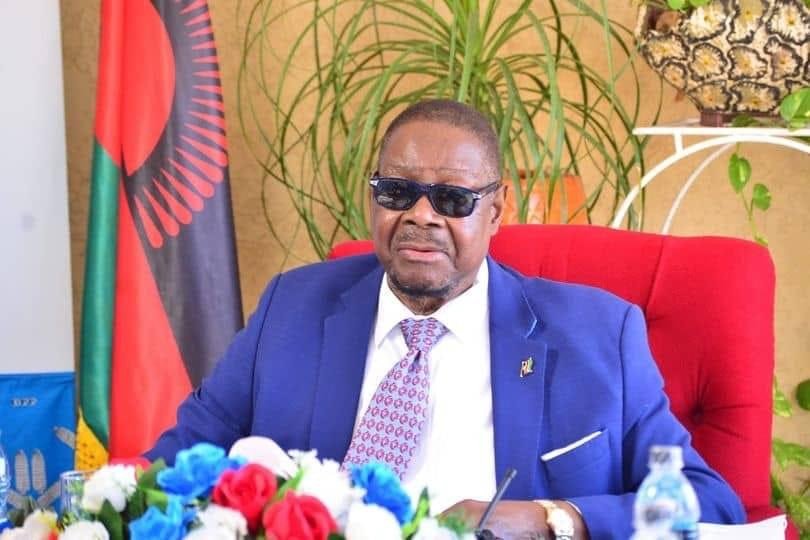
President Peter Mutharika’s New Year pledge to crack down on corruption rings hollow if a multi-billion-kwacha scandal allegedly unfolding inside MAREP Phase 10 is allowed to fester in silence. Yet the President himself has previously admitted a hard truth: no president can know everything that happens within government. In an exclusive interview after losing power in 2020, Mutharika conceded that corrupt acts can be committed by aides without the President’s knowledge.
He made that admission when questioned about the fraudulent abuse of his own TPIN by an aide. That confession matters—because it exposes the central weakness of Malawi’s anti-corruption fight. If corruption can thrive undetected at the centre of power, then presidential rhetoric alone is not enough.
It is in that spirit that serious and disturbing allegations surrounding the MAREP Phase 10 tender demand the President’s immediate attention. When the DPP later returned to power, several large public tenders were reportedly cancelled for review. But MAREP Phase 10 was not among them.
Read Full Article on Nyasa Times
[paywall]
Instead, the rot allegedly crept in at the implementation stage—where contracts are signed and money begins to move. According to emerging claims, some DPP officials are allegedly demanding bribes running into hundreds of millions of kwacha from legitimately shortlisted suppliers as a condition for contract signing. Those who allegedly paid were allowed to sign.
Those who refused—or hesitated—have been left in limbo. So far, only about 10 suppliers have reportedly signed contracts, despite more than 30 being duly shortlisted. The rest are allegedly being held at ransom, their contracts deliberately withheld to force illegal inducements.
If true, this is not just corruption. It is extortion carried out under the cover of state authority. MAREP contracts are worth billions of kwacha in taxpayer money and donor funding.
Any manipulation of the process is a direct theft from the public and a betrayal of development partners. Worse still, it turns a programme meant to electrify rural Malawi into a feeding trough for politically connected elites. This alleged scheme stands in direct contradiction to the President’s stated commitment to fighting corruption.
The President must therefore act decisively. An independent and thorough inquiry into the MAREP Phase 10 contract-signing process is not optional; it is urgent. All suppliers who were properly shortlisted must be allowed to sign their contracts without delay, intimidation or bribery demands.
The risks of ignoring this scandal are severe. Donor confidence is fragile, and development partners are not naïve. They monitor procurement processes closely and have their own intelligence networks.
Corruption or unexplained delays in donor-funded programmes like MAREP could trigger reduced support at a time when Malawi’s economy is already on its knees. Equally damaging is the erosion of public trust. Malawians who voted President Mutharika back into office in September 2025 did so with the hope of a clean break from the very practices now being alleged. Any perception that senior DPP officials are looting quietly under his watch will destroy that goodwill—and with it, the credibility of his anti-corruption stance.
[/paywall]
