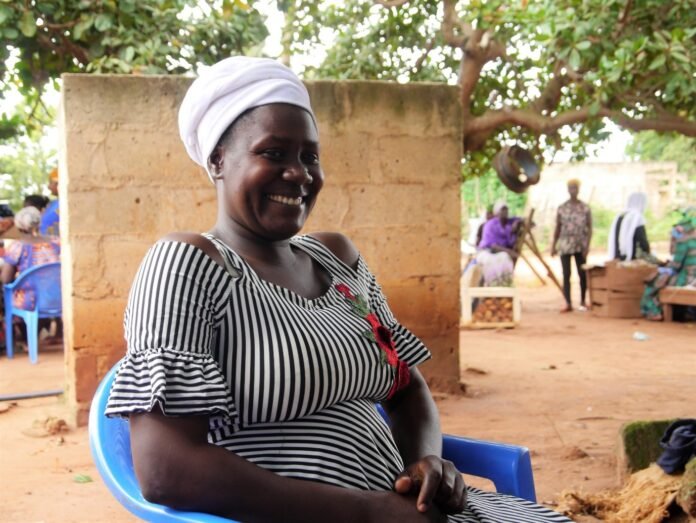
For decades, absence defined marriage in much of rural Botswana. Husbands left for the mines of South Africa, sometimes for years, sometimes for a lifetime of contracts stitched together by brief homecomings. In their absence, women quietly rebuilt the meaning of family, running homesteads, raising children, managing cattle, starting small businesses, and making decisions once reserved for men.
What happens, then, when the husbands come back? The return is often imagined as a restoration, a family reunited, authority neatly reclaimed, order resumed. But for many Batswana women, the homecoming marked the beginning of a more complicated chapter, one filled with negotiation, loss, and, at times, rupture.
What happened when those men finally came home is the subject of a new historical study by Unaludo Sechele, a postdoctoral fellow at the University of the Free State. Drawing on interviews conducted across Botswana’s North-East and Central districts, the research titled:The return of husbands: of male labour returnees and women in Botswana, c.1970–2023,traces how women who had quietly become heads of households were forced to renegotiate power when husbands returned after years, and sometimes decades, away. During the years of absence, women stepped into roles traditionally reserved for men in a deeply patriarchal society.
Read Full Article on Sunday Standard
[paywall]
“When husbands were absent,” the paper notes, “wives took over as family heads in most cases,” managing finances, farming, and child-rearing without daily male authority. That autonomy, however, proved fragile. As South Africa retrenched mine workers in the late 1980s and Botswana’s economy stabilised after independence, thousands of men returned home.
Many sought to reclaim their status as heads of families, often clashing with wives who had built lives and livelihoods in their absence. For some women, the return marked the beginning of violence. “My husband was already at the mines when we got married,” said Julia Keneetswe, who was interviewed for the study.
“Since he came home after being fired for fighting with a colleague at the mine, there hasn’t been any peace.” She described being stabbed by her husband in 2018, leaving her disabled. “I will just stay here and mind my own business… just hoping he won’t kill me,” she said. Others described subtler but equally destabilising shifts.
Mary Mojadi, whose husband retired after 32 years of migrant labour, said his return upended a household she had run alone for decades. “He treated us like the people he supervised at the mine,” she said. “He brought his work mentality home.” Their marriage eventually collapsed.
Not all reunions ended in conflict. Some couples adapted, sharing work and income after years apart. But the study makes clear that the return of husbands was not a simple restoration of family life.
Instead, it often reopened unresolved tensions about authority, money and gender. In many cases, men returned without the steady wages that once justified their authority. Women, meanwhile, had learned to survive without remittances by starting businesses, farming commercially, or entering professional careers.
“Women could earn more money than their husbands,” the paper notes, “but it was not culturally acceptable… and it was viewed as threatening the husband’s authority”. Labour migration had quietly reshaped family power structures. For some women, the conclusion was stark.
“Now, when I look back,” said Lotlhe Sedibe, whose husband took control of property she had built during his absence, “I realise my life was wonderful without him”. The long absence, it turns out, did not merely separate families. It transformed them in ways that could not easily be undone.
[/paywall]
