Commissions of Inquiry in Malawi illustrate both the potential for accountability and the recurring failure of political will: some have uncovered truth and offered reform while others have collapsed into controversy, leaving recommendations unimplemented.
The stor y begins with the Commissions of Inquir y Act, first enacted in 1914, which gave the President the authority to appoint commissions to investigate matters of public concern. This legal framework was designed to provide a mechanism for truth-seeking, accountability, and reform. It empowered commissioners with special powers to summon witnesses, demand documents, and probe into issues that touched the heart of governance and public life. In theory, it was a noble instrument, a way to confront crises, scandals, or disputes with impartiality and rigor, and to produce findings that could guide the nation toward justice and better administration.
Yet history has shown that in Malawi, commissions of inquiry often serve more as a political theatre than engines of change. They are announced with fan-fare, usually in the wake of public outrage or political pressure, and they raise expectations that truth will be uncovered and wrongs corrected.
But once the hearings conclude and the reports are submitted, the momentum di s s i p a t e s . Recommendations are rarel y implemented, follow-up is almost non-existent, and the public is left with the bitter sense that resources have been wasted. The inquiries become symbolic gestures, a way for those in power to appear responsive without committing to real reform.
This paradox is not unique to Malawi, but it is particularly pronounced given the country’s history of political transitions and contested governance. From the one-party era to the democratic dispensation, commissions have been convened to investigate corruption, electoral disputes, abuses of power, and even tragic events.
Each time, the legal framework has provided the scaffolding for inquiry, but the political will to act on the findings has been absent. The commissions, thus, become archives of unfulfilled promises, their reports tucked away in government shelves, their recommendations ignored by successive administrations.
The waste of public resources is glaring. Commissions require funding for staff, logistics, and hearings, often stretching over months or even years. Citizens pay for these processes through taxes, expecting accountability in return. Instead, they witness a cycle of inquiries that lead to no tangible outcomes. The credibility of the process erodes, and cynicism grows. People begin to see commissions not as instruments of justice but as tools of expediency, deployed to defuse public anger or to buy time until controversies fade from memory.
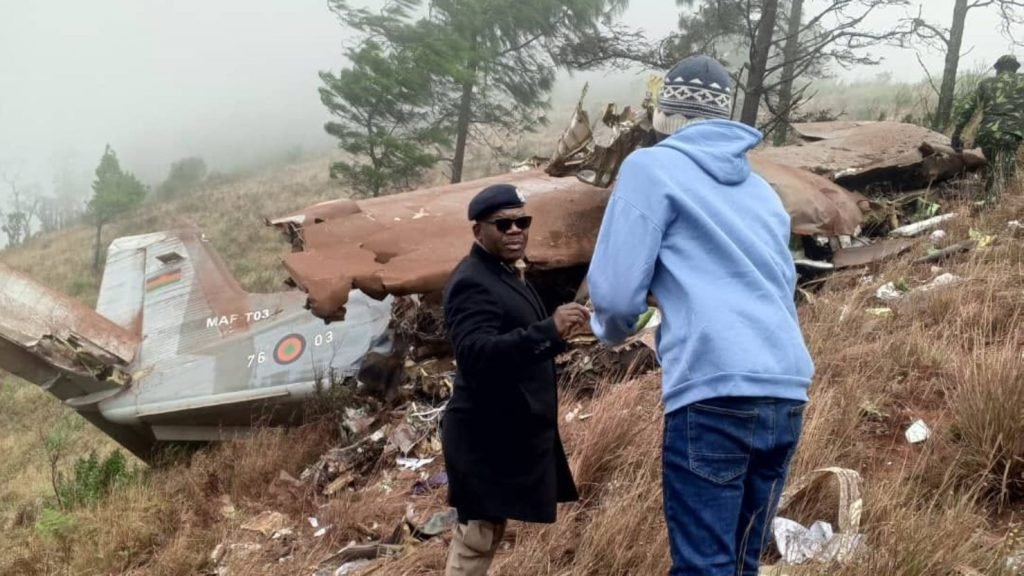
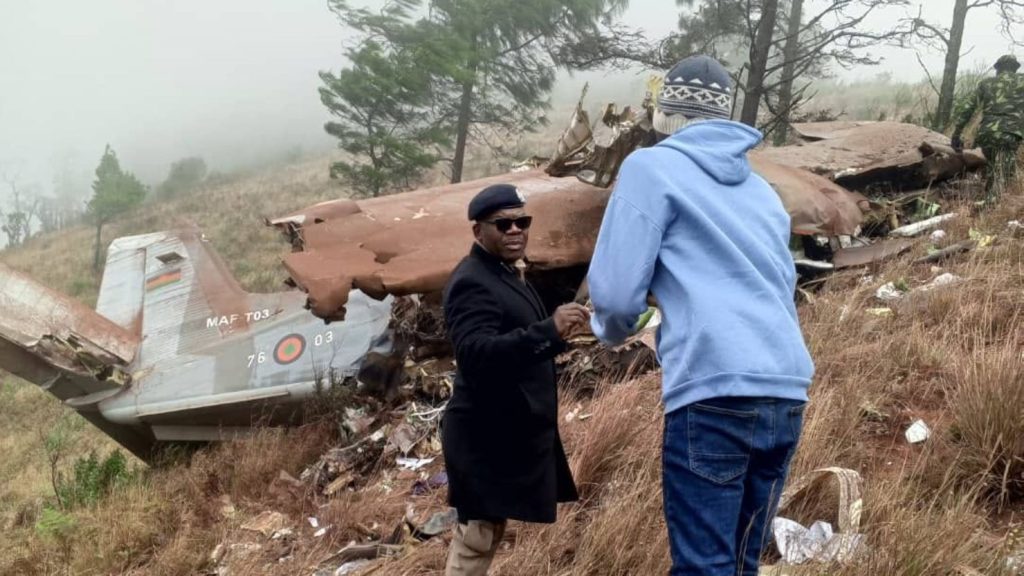
The paradox is best illustrated through examples. One of the most recent inquiries—the 2024 Commi ssion into the Malawi Defence Force aircraf t crash that killed vice-president Saulos Chilima—was intended to provide clarity and accountability. Yet its report was widely criticised for failing to address critical questions such as the identification of unidentified individuals at the crash site and the culpability of officials responsible for aviation safety.
Recommendations on improving aviation oversight and ensuring transparency in military operations were overshadowed by accusations of bias and political expediency, leaving the public disillusioned. This inquiry joins a long line of commissions whose findings have not translated into

meaningful reform.
The Chizuma Arrest Commission of Inquiry in 2023 provides another telling example. Convened after the controversial arrest of Anti- Corruption Bureau director general Martha Chizuma, it faulted senior officials, including the Director of Public Prosecutions and the Malawi Police Service, for abuse of office. Its recommendations— strengthening protections for anti-corruption institutions and ensuring accountability for unlawful arrests— were clear and actionable. Yet, despite the gravity of its findings, no prosecutions or reforms followed. The report became a rhetorical gesture, a symbol of how inquiries are used to pacify public anger without delivering justice.
Ear l i er commissions , such as those investigating electoral irregular ities in the 1999 and 2004 elections, similarly produced detailed reports but saw little follow-through. They highlighted systemic weaknesses in voter registration, political interference, and the lack of independence of the Electoral Commission.
Recommendat ions included reforms to strengthen electoral p ro c e s s e s , b u t s u c c e s s i v e government s ignored them. The cycle of disputed elections continued, underscoring the futility of inquiries without political will. Inquiries into corruption scandals, including procurement abuses, have also ended with reports that identified systemic weaknesses but were shelved without prosecutions or institutional reforms.
There are, however, rare examples of commissions that achieved some success. The 1992 Commission of Inquiry into the Mwanza murders, which investigated the killing of three Cabinet ministers and a parliamentarian during the one-party era, helped expose the brutality of the Banda regime and contributed to the momentum for democratic transition. Its findings, though not fully acted upon in terms of justice, played a symbolic role in galvanising public demand for change. Similarly, commissions into local governance reforms in the early 2000s provided recommendations that informed decentralization policies, albeit unevenly implemented.
Compa r a t i v e l y, Ma l awi ’s experience mirrors patterns across Africa and beyond. In South Africa, the Truth and Reconci liation Commission (TRC) of the 1990s stands as a landmark example of a commission that, despite criticisms, succeeded in shaping national healing and institutional reform. Kenya’s commissions, such as the Waki Commission on post-election violence in 2007–2008, produced s t rong recommendat i o n s— including the establishment of a special tribunal—but political resistance stalled implementation, echoing Malawi’s paradox . In Ghana, commissions investigating corruption and human rights abuses have had mixed results, with some leading to prosecutions but many fading into obscur ity. Beyond Africa, countries like Canada and Australia have used commissions effectively to address systemic issues such as indigenous rights and child abuse, demonstrating that political commitment is the decisive factor in whether inquiries succeed.
The recommendations across Ma lawi ’s commissions o f ten converge: strengthening institutional independence, ensuring transparency i n go v e rnmen t p r o c e s s e s , prosecuting wrongdoing , and safeguarding public resources. Yet without follow-up mechanisms, these remain aspirational. Comparative experiences show that commissions succeed when governments commit to implementation, when civ il society sustains pressure, and when findings are integrated into legal and institutional reforms. In Malawi, the absence of these conditions has left commissions as unfinished business and symbolic gestures rather than transformative tools.
