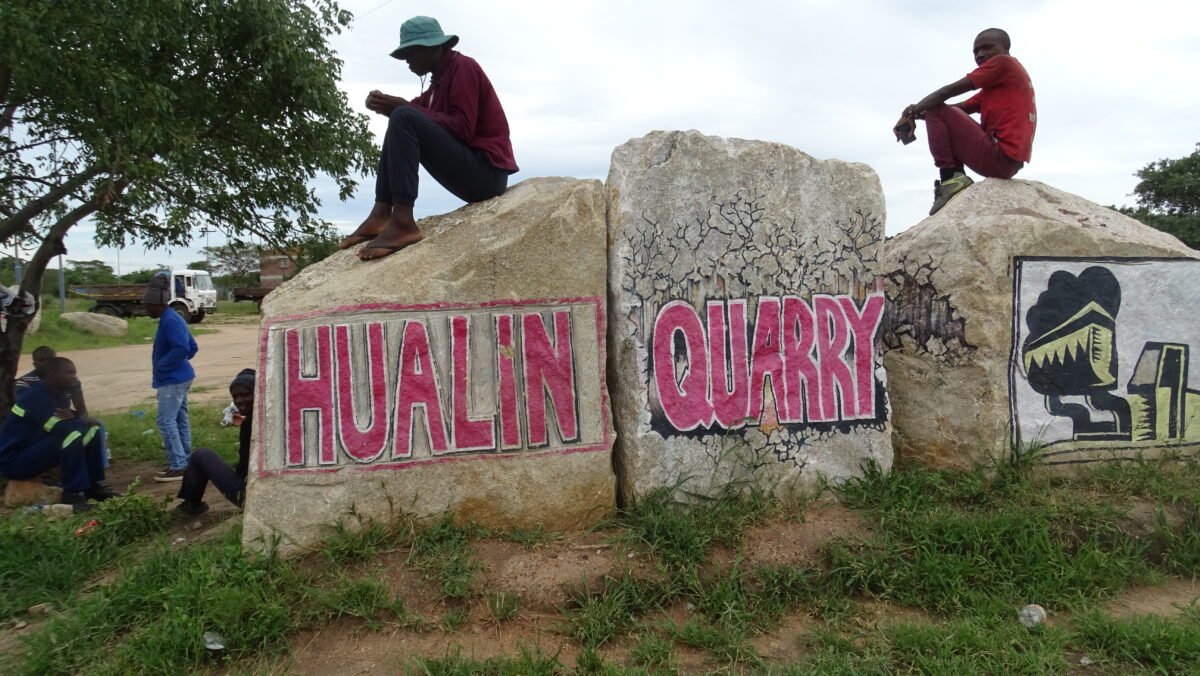
Mining communities across Zimbabwe continue to grapple with serious health and environmental challenges arising from extractive activities with residents in areas such as Mberengwa West and Bulawayo’s Pumula North suburb reporting escalating cases of dust pollution, noxious fumes and structural damage to homes caused by blasting. Villagers living along Dwala Road which links Sandawana Mine and West Nicholson say heavy dust emitted by Chinese-owned trucks transporting lithium has become a daily health hazard, contaminating homes, water sources and crops. Similar concerns have been raised in Bulawayo where residents of Pumula North have lodged complaints with the Environmental Management Agency (EMA) against Hualin Quarry Mine, accusing the Chinese-owned company of discharging harmful dust and fumes while blasting activities have allegedly caused cracks in nearby houses.
EMA provincial spokesperson Memory Kapumha confirmed that the quarry’s Environmental Impact Assessment (EIA) certificate has not yet been renewed, pending investigations. “A point to note for the public is that the environmental impact assessment certificate for Hualin Quarry Mine has not yet been renewed pending investigations of the issues raised by residents,” Kapumha said. Against this backdrop of rising pollution-related health risks, government officials say the proposed National Health Insurance (NHI) could offer a lifeline to mining-affected communities by ensuring sustainable funding for healthcare services and treatment of pollution-related illnesses.
Speaking on the proposed health insurance scheme, Acting Policy and Planning Director in the Ministry of Health and Child Care, Tonderai Kadzere said the NHI would be a non-contributory scheme, largely funded through earmarked levies rather than direct monthly payments from citizens. “The proposed National Health Insurance is a non-contributory scheme. People are not going to contribute directly like in other countries.
[paywall]
Funding will come from existing levies such as airtime, sugar and fast food levies as well as excise duties on alcohol and tobacco,” said Kadzere in an interview with Cite. Crucially, Kadzere said mining would also form part of the funding base, acknowledging its indirect but significant impact on public health. “When we talk about mining, we are talking about activities that have a clear impact on people’s health,” he said.
“We feel it is important that sectors like mining contribute towards healthcare, especially considering the conditions that communities and workers are exposed to. Kadzere also highlighted a largely unknown health component within third-party motor vehicle insurance which government plans to integrate into the national health financing system.
[/paywall]
