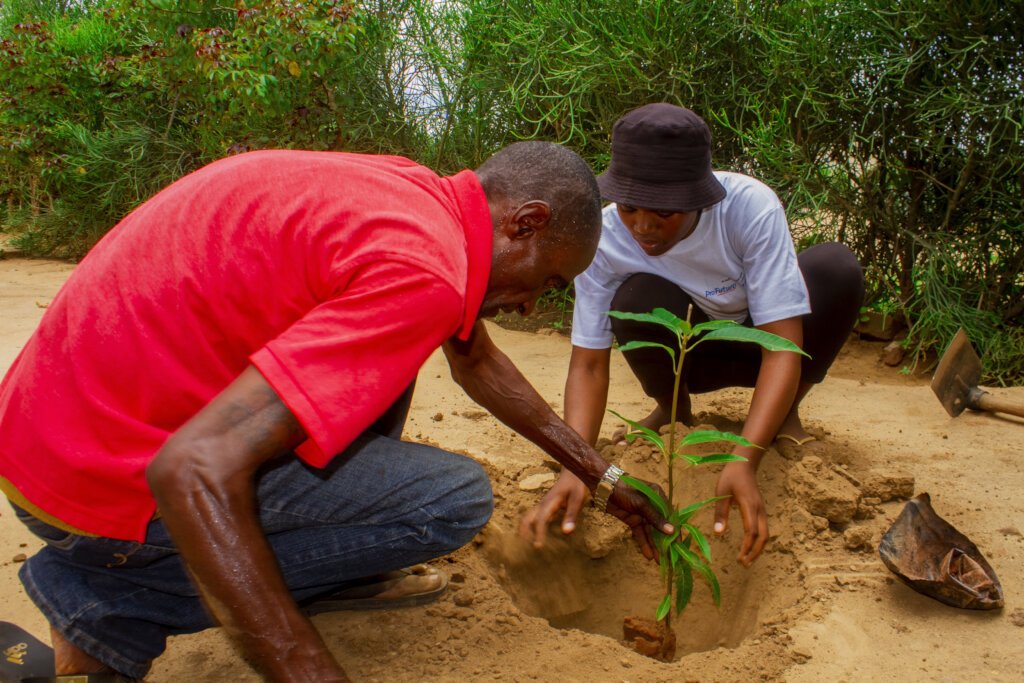
In December air of 1980, just months after Zimbabwe’s hard-won independence, a new tradition took root on December 6. Then-President Robert Mugabe launched the inaugural National Tree Planting Day, rallying the nation to plant thousands of seedlings as a symbol of renewal and stewardship over the land their freedom struggle had reclaimed. This wasn’t mere symbolism; it was a bold environmental pledge woven into the fabric of the new republic, urging schools, farmers, and communities to combat deforestation and honor the forests that had sheltered guerrilla fighters during the war. Across dusty rural fields, bustling urban parks, and schoolyards from Harare to Bulawayo, Zimbabweans of all ages knelt to press saplings into the earth, their hands caked with soil as they built a greener future.
The Forestry Commission spearheaded the effort, distributing indigenous species and framing tree planting as nation-building linking healthy woodlands to food security, erosion control, and the very survival of rural livelihoods. Mugabe’s vision cast trees as living monuments to independence, a way for ordinary citizens to heal the scars of conflict while preparing for droughts and floods that loomed on the horizon. That single day in 1980 sparked an annual ritual on the first Saturday of December, evolving into one of Africa’s longest-running environmental campaigns. Each year since, a “Tree of the Year” like the mighty baobab steals the spotlight, celebrated for its cultural and ecological gifts, while millions of trees are planted nationwide. Today, as Zimbabwe faces climate pressures, those 1980 roots remind us how a fledgling nation’s first green act still branches out, inspiring generations to dig in and grow legacy
