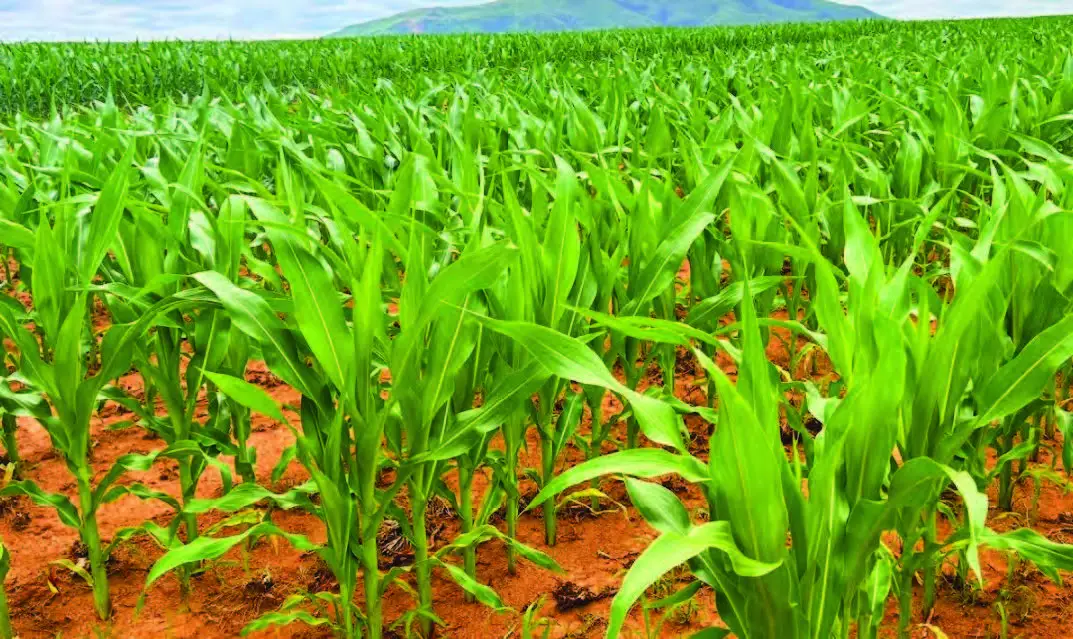
Did you know that back in 1975, Zimbabwe then known as Rhodesia was celebrated as one of the world’s top agricultural powerhouses, According to the United Nations Food and Agriculture Year Book of that time, the country was ranked second globally for its impressive yields of maize, wheat, soya beans, and groundnuts, and held third place for cotton production. When all these crops were evaluated together, Rhodesia actually stood at number one in the world. The country’s agricultural success did not end there.
Rhodesia’s Virginia tobacco was widely recognized as the finest on the global market, admired for both its exceptional quality and high productivity. In fact, it became the second-largest exporter of flue-cured tobacco worldwide a remarkable achievement for a nation of its size. Agriculture was the heartbeat of the economy.
Exports of staple and commercial crops such as maize, soya beans, cotton, sugar, coffee, tea, fruit, vegetables, flowers, and beef made farming the leading source of foreign currency. No other sector contributed more to the gross domestic product. It was also the biggest employer in the country, providing jobs for nearly one-third of the entire labor force. This impressive agricultural legacy remains an important part of Zimbabwe’s history and a reminder of the nation’s potential in feeding both its people and the world.
