For years, Neno District stood out for an unfortunate reason of not having a single female lawmaker or councillor. But following the recent General Election, the district has stunned the nation by emerging as Malawi’s top performer in women’s political representation, achieving an impressive 67 percent. ‘Nthawi Yawo’ project rolled out ahead of the September 16 2025 elections, aimed at breaking down long-standing barriers that have hindered women from participating in politics—barriers rooted in culture, religion, gender stereotypes, financial constraints, and even online abuse.
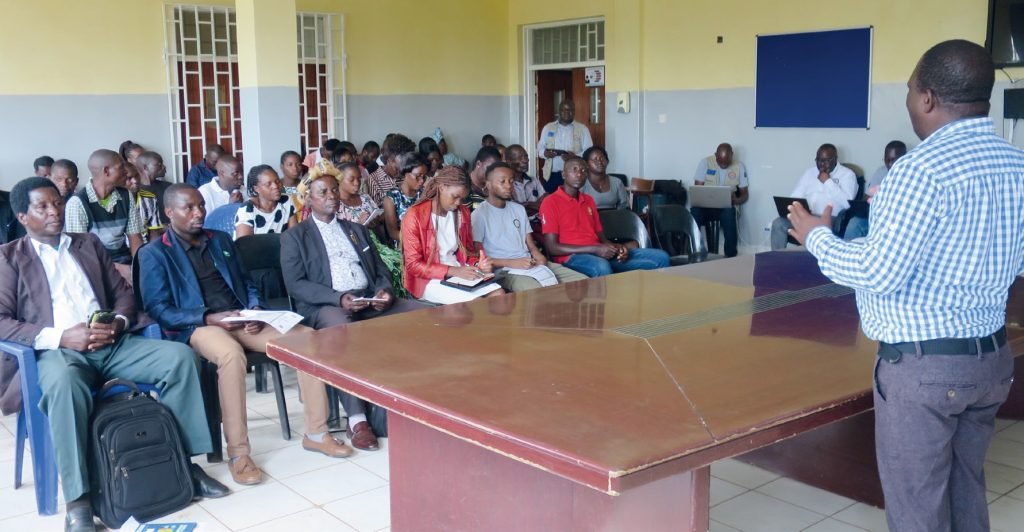
But results of the elections have spoken for themselves. Three women—Mary Maulidi Khembo and Mutani Tambala won parliamentary seats under the Democratic Progressive Party (DPP) in Neno East and Neno South constituencies, respectively, while Martha Chapendeka was elected councillor for Chikonde Ward in Neno North Constituency. Nice Trust executive director Gray Kalindekafe, speaking during a stakeholders’ review meeting on Monday said the results matched expectations of his organisation and those of the project.
“We embarked on this project to remove barriers that prevent women from participating in elections. “We wanted to capacitate women and young women so they could meaningfully participate in the 2025 general election and influence political and decision-making processes. “I am happy that what we advocated for has borne fruit as the district is now number one at 67 percent female representation.
[paywall]
This calls for celebration,” he said. Kalindekafe added that the results will inspire further efforts towards achieving 50-50 representation in Neno and in other districts that still lag behind. He, therefore, stressed the need for ongoing support to sustain the district’s gains and to make Neno a model for women’s leadership nationwide.
On his part, CCSS executive director Viwemi Chavula said the project’s impact exceeded expectations. “We are all smiles with the election results. Neno emerged number one, with 67 percent female representation, followed by Mwanza, with 50 percent. “This has invigorated us to do more interventions to put more women in political leadership positions,” he said.
[/paywall]
