Attempts by several Southern African nations to relax international trade restrictions on giraffes, elephants and rhinos have been rejected at a major United Nations wildlife summit. Countries voted down all four proposals that sought to weaken existing protections at the 20thConference of the Parties to the Convention on International Trade in Endangered Species of Wild Fauna and Flora(Cites CoP20) underway in Samarkand, Uzbekistan. Cites providesthree tiers of protectionfor species in international trade.
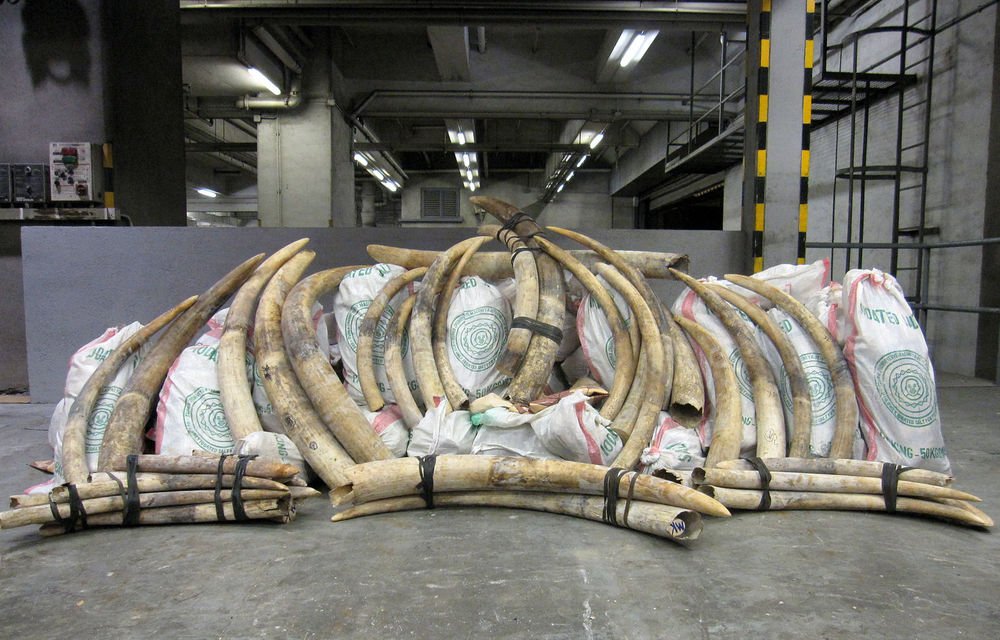
Appendix I is the highest-level of protection, banning international commercial trade. Appendix II allows regulated trade while Appendix III — the lowest level of protection — covers species already protected domestically by at least one country seeking broader international cooperation. The decisions in Samarkand mean that giraffes remain on Appendix II, black rhinos keep their Appendix I status and global bans on commercial trade in stockpiled rhino horn and elephant ivory stay intact.
The 12-day summit is considering51 proposalsspanning big cats, trees and plants, songbirds, reptiles, sharks and sea cucumbers, tarantulas and hornbills – decisions that will shape future global wildlife trade. Namibia, South Africa, Tanzania and Zimbabwe proposed removing Southern African populations of the southern giraffe (Giraffa giraffa) from Appendix II, arguing that the species ishealthy and expanding in the region. With at least 68 000 individuals, robust management systems and strong economic value through tourism, live trade and trophy hunting, the countries said their populations represent aglobal stronghold.
Read Full Article on Mail & Guardian
[paywall]
They argued that domestic regulations ensure sustainable offtakes, most trade involves low-value by-products such as hides and bones and there is no evidence of significant illegal trade. But the proposal failed to reach the required two-thirds majority. Humane World for Animals South Africa noted that giraffes were only listed on Appendix II in 2019 due to high volumes of trade in bones and skins.
“The exploitation had the very real potential to threaten them with extinction and continues to put pressure on giraffe populations today,” it said. A split listing, it added, would have created enforcement challenges because bones and skins are difficult to distinguish between populations.
[/paywall]
