Despite a slight rise in tolerance towards homosexuality in deeply conservative Zimbabwe, much like in many other African countries, advocates for lesbian, gay, bisexual, transgender, queer, and intersex (LGBTQI) rights continue to face significant backlash. The language used in the reactions documented illustrates how homophobia circulates within African digital spaces, reinforcing a discourse that frames LGBTQI people as threats requiring containment. They also reveal how online platforms function as spaces where physical violence and intimidation against queer organisations are normalised and even justified.
On 13 January 2025, GALZposted: “We’re Back and Ready to Serve You! #backtowork #NewYear2025 #galz.” Despite a reach of 5,199 and engagement of 16, the most visible reply was negative. Ghetto (@Ghetto_YutZim) retorted: “Hey, get away with your chit chat,” signifying open rejection of GALZ’s work.
Even on Valentine’s Day, when GALZposteda simple celebratory message, the two supporting replies again appeared to come from advocacy-aligned users rather than general members of the public. Similarly, on 21 February’s National Youth Day and on #IDAHOBIT2025, GALZcontinuedto receive positive reinforcement almost exclusively from GayProphet @verygayp, reinforcing a pattern: approval tended to come from within the movement, while rejection or silence dominated broader engagement. In response to GALZ’s 31May 2023 tweetexpressing solidarity with Ugandan LGBTQI communities affected by the Anti-Homosexuality Act, the backlash on X illustrates how appeals to Pan-African identity are often mobilised to delegitimise queer rights advocacy.
[paywall]
For instance, a Ugandan user, Matua Job Richard (@job_matua),questionedGALZ’s involvement, framing LGBTQI rights as “anti-African” and driven by “usual suspects,” a phrase commonly used to imply Western interference. This response, along with 33 similar replies predominantly from Ugandan users, demonstrates a recurring narrative that positions LGBTQI activism as foreign to African cultural values. One particularly hostile reply: “I thought it was [the] Zimbabwe government kumbe (or) these inhumans who aren’t normal,” highlights how opponents combine nationalism, moral panic, and dehumanisation to justify rejecting transnational LGBTQI solidarity efforts.
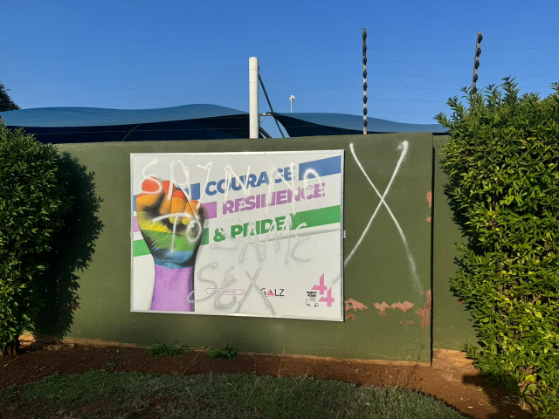
Screenshots of reactions to the GALZ post on X on 31 May 2023. Backlash is not limited to regional political commentary but extends to direct hostility against local LGBTQI organisations. In June 2024, for example, GALZ suffered acts of vandalism and intimidation at its Harare office, as protesters defaced the organisation’s walls with slurs.
“A group of individuals claiming to represent various Christian churches descended on our Harare centre, chanting slogans against homosexuality. They proceeded to vandalise the property, painting hateful graffiti on the walls,” itreported.
[/paywall]
