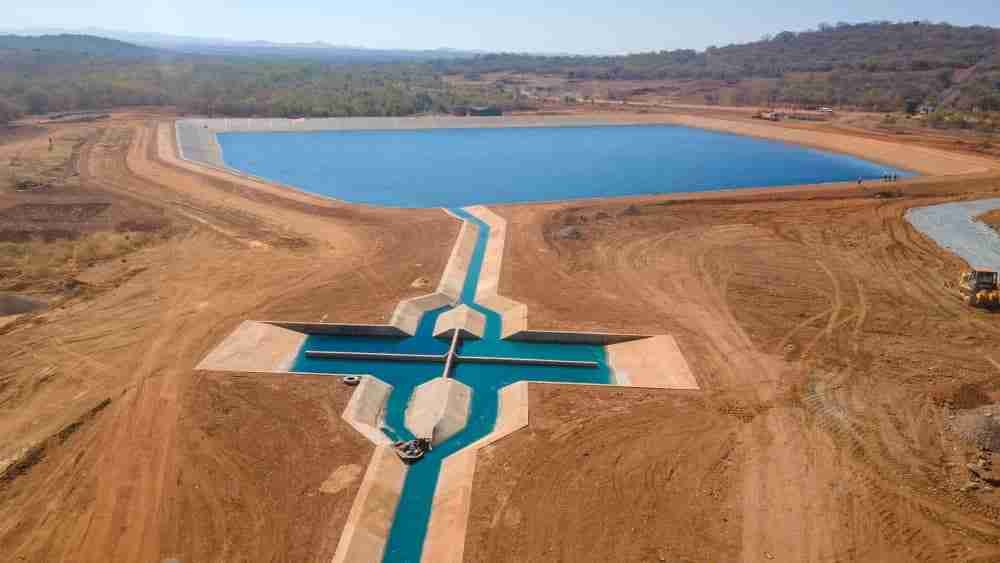
It’s a familiar Zimbabwean story: a big investment plan lands on the table, and then policy shifts force the investor back to the calculator. Last week, Caledonia Mining announced plans to raise up to US$484 million in new investment to build Bilboes, potentially Zimbabwe’s largest gold mine. But the company may now have to revisit how it structures that funding after Finance Minister Mthuli Ncube announced two major tax changes that will squeeze gold producers.
The first change is a direct hit on profits. Ncube has effectively doubled the gold royalty — the fee miners pay to government on gold sales — from 5% to 10%. For miners already dealing with rising costs, this immediately cuts into margins.
Caledonia, which runs Blanket Mine, says: “In respect of the Caledonia group’s operating mine in Zimbabwe, Blanket Mine, the change in royalty, if implemented, would be expected to result in a lower level of profitability and cash generation relative to current market expectations.” Part of the cash flow from Blanket Mine would be used to finance the Bilboes project. The new royalty will also likely force small-scale miners to take their gold elsewhere, depriving government of revenue. The second change strikes at how new mines are financed.
[paywall]
Currently, a mine can deduct 100% of its exploration and development costs in the year it spends the money. This helps the investor to keep cash in the early years, crucial in a capital-intensive industry where companies must sink millions long before the first ounce of gold is poured. Ncube wants to end this.
From 1 January 2026, mines must spread these deductions over the life of the project. In simple terms, he wants more tax paid upfront. Government will only give the tax relief slowly over many years.
Ncube argues that the current system delays revenue and exposes government to risk. As he puts it: “Whilst mining operators aim to expedite the recovery of significant upfront capital investments to maintain operational viability, current practice results in deferred tax inflows to the Fiscus. Consequently, Government bears an increased fiscal risk associated with potential declines in future mining revenues.” But for investors, the impact is heavy.
Slower cost recovery means they will wait longer to earn back what they put in. Early cashflows, already the tightest phase of any project, will shrink. This can kill some projects outright.
Ncube is shifting more risk to investors, making Zimbabwe’s mining sector less competitive at a time when countries are fighting fiercely for global exploration dollars. The changes make it harder to raise money for gold projects. Before lending to a project, banks look at how fast a mine can generate cash.
If a mine must pay more tax in its early years, lenders may demand higher interest rates, reduce loan periods, or simply walk away. Caledonia has been in talks with financiers. This includes homegrown solutions like talking to local banks about pooling their resources to fund Bilboes, a major project that would lift Zimbabwean mining.
The company hopes to secure full financing by late 2026 or early 2027, with first production expected in 2028. These tax changes may complicate that timeline. Caledonia says: “The company is assessing the implications of the proposed changes for its portfolio of assets, including in particular the potential effects on the recently announced economics of the Bilboes Gold Project.” Bilboes is projected to deliver a strong 32.5% post-tax return, with investors getting their money back in just 1.7 years, numbers that helped Caledonia pitch the project as one that could “restore Zimbabwe’s reputation as a major gold mining destination.” But the new tax rules reshape the economics. While the changes may help government squeeze more tax out of businesses, they also raise the cost of developing new mines, just as Zimbabwe is trying to attract the new investment needed to grow its mining industry.
[/paywall]
