
Zimbabwe News Update
 263chat
 3 min read
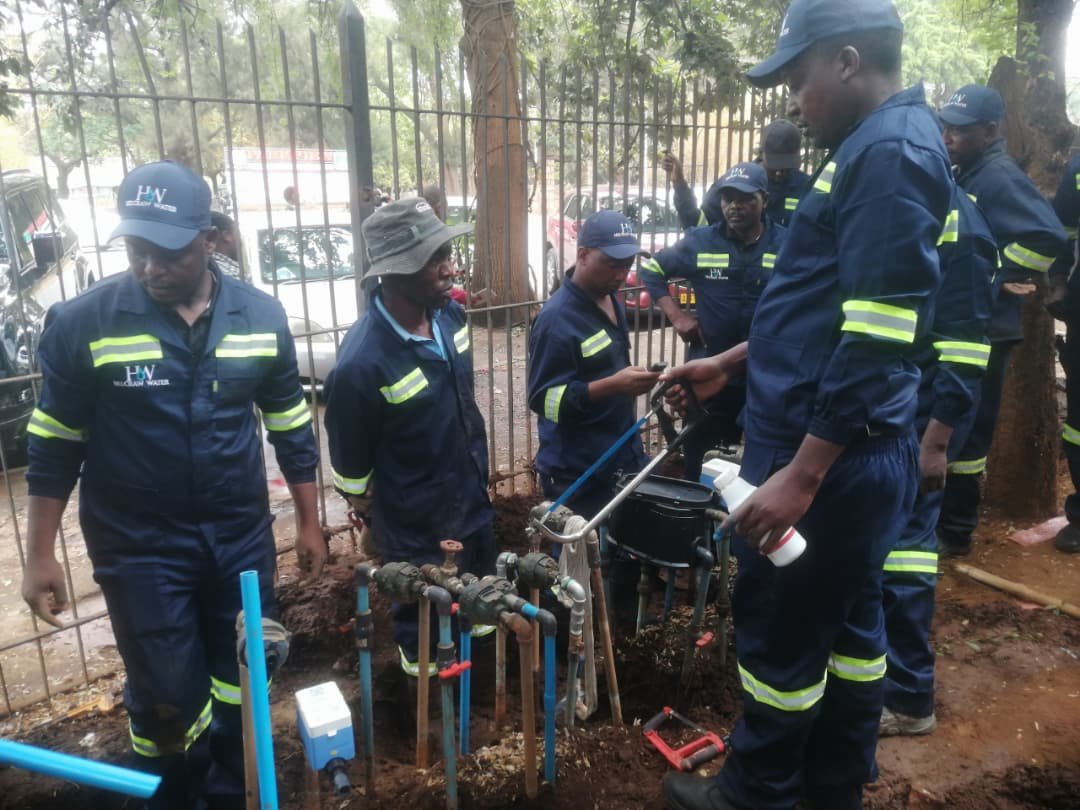
By Elishamai Alouis ZiumbwaHarare City Council has begun installing prepaid smart water meters across the capital as part of efforts to stem water losses, improve billing accuracy and strengthen revenue collection.The programme being implemented through a public-private partnership will phase out the long-criticised post-paid billing system blamed for inefficiencies, inaccurate estimates and widespread non-payment.Finance Committee chairperson Costa Mande told councillors the move marked a significant shift in how the city manages water supply and finances.“For years, the City has struggled with revenue leakages due to inefficient billing and non-metered consumption so the introduction of prepaid smart meters is a bold step towards accountability and financial stability,” he said.The initiative forms part of Harare’s 2026–2030 Water, Sanitation and Hygiene (WASH) modernisation strategy aligned with the government’s Vision 2030 agenda.Smart meters will enable real-time monitoring of water use, ensuring consumers pay only for what they consume.“Consumers will now have control over their usage and spending, while the city gains a predictable revenue flow to reinvest in water infrastructure,” Cllr Mande added.He said the 2026 tariff framework would remain sensitive to low-income households with charges guided by cost-recovery principles but structured to protect basic consumption needs.“This reform is not just about technology, it is about restoring trust and ensuring fairness in how water is billed and paid for,” he said.The rollout marks a milestone in Harare’s efforts to plug financial leakages and modernise service delivery amid ongoing water supply challenges.
Harare City Council has begun installing prepaid smart water meters across the capital as part of efforts to stem water losses, improve billing accuracy and strengthen revenue collection.
The programme being implemented through a public-private partnership will phase out the long-criticised post-paid billing system blamed for inefficiencies, inaccurate estimates and widespread non-payment.

 Read the full article

