
Zimbabwe News Update
 spiked
 6 min read
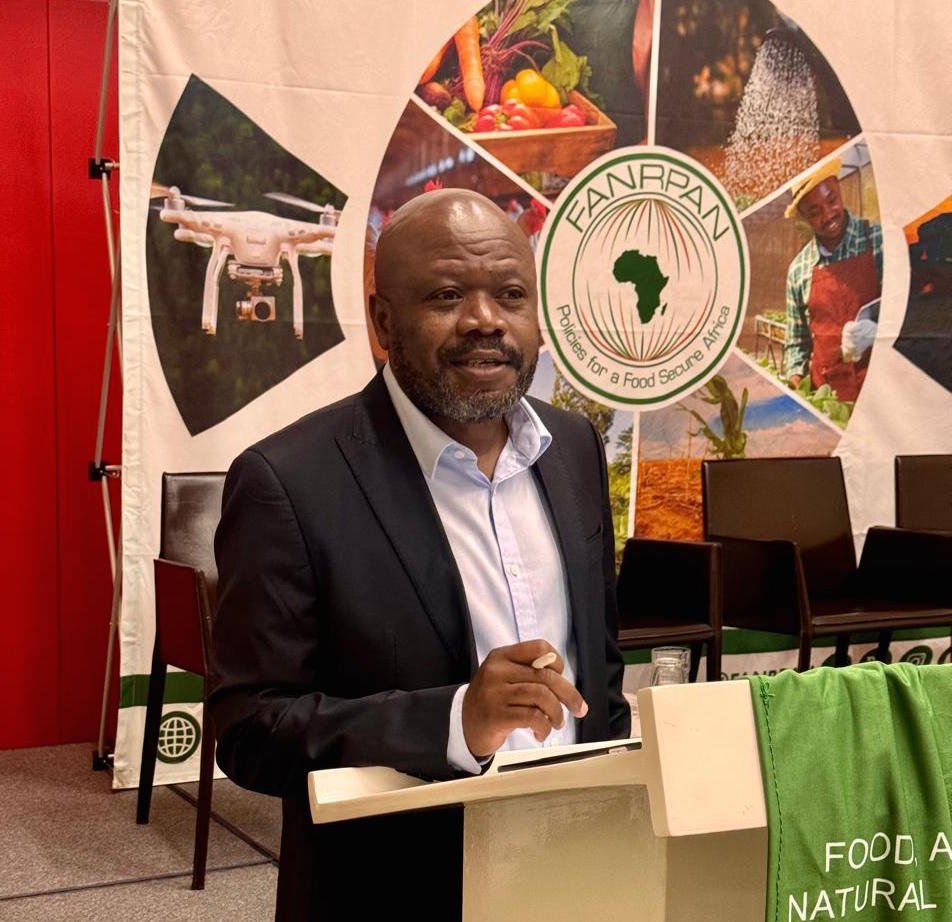
Getting yourTrinity Audioplayer ready…Kigali, Rwanda, 31 October 2025– As Africa continues to grapple with the persistent challenge of child malnutrition and stunting, the Food, Agriculture and Natural Resources Policy Analysis Network (FANRPAN) is charting a new path that puts communities at the centre of change.During a side event at the 21st Comprehensive Africa Agriculture Development Programme Partnership Platform (CAADP PP) and the 16th Africa Day for Food and Nutrition Security (ADFNS), FANRPAN showcased its ACTIVATE Africa initiative, a participatory, evidence-based model designed to empower communities to shape policies that improve infant and young child nutrition.Opening the session, Francis Hale, FANRPAN’s Director of Policy Advocacy and Communication, introduced the ACTIVATE Africa programme as a bold experiment in community-led policy advocacy.“Nutrition is a big topic in Africa, but very few interventions go to the stage where mistakes happen in nutrition – in those early months when children move from exclusive breastfeeding to solid foods.
That stage determines a child’s health trajectory for life.”The pilot project is currently being implemented in Côte d’Ivoire and Kenya, focusing on both urban and rural settings. Rather than employing traditional surveys and clipboards, Hale explained, FANRPAN turned to Theatre for Policy Advocacy (TPA): an interactive tool that uses drama, music, and storytelling to explore sensitive issues and stimulate honest community dialogue.“Africans have been over-researched. When people see a questionnaire, they start telling you what they think you want to hear. But when community members act out their own realities in local languages and through familiar situations, you get the truth.”In ACTIVATE Africa, residents are not passive subjects.
They are actors, facilitators, documenters, and champions of their own stories. FANRPAN trains community members to moderate the dialogues that follow each theatre performance, creating safe spaces where women, men, elders, and youth can discuss cultural taboos and beliefs around child feeding.Dr. Beatrice Kiage, FANRPAN Associate and researcher with the African Population and Health Research Center (APHRC), presented Kenya’s experience in Kiambu and Kilifi counties.Using TPA, her team tackled the critical period of exclusive breastfeeding and complementary feeding. She alluded to the first 1,000 days of a child’s life, which are vital for long-term growth and cognitive development.“We realized that it’s not enough to lecture mothers about nutrition.

 Read the full article

