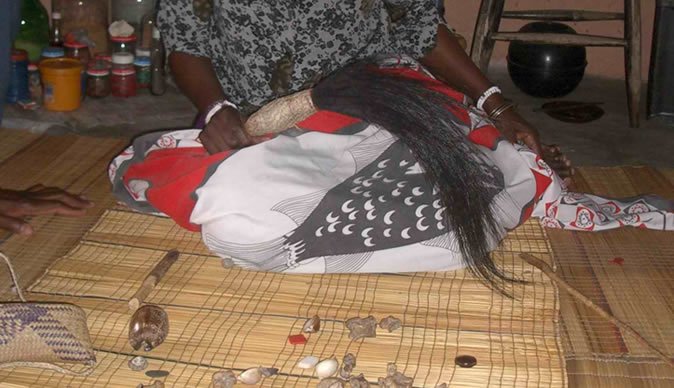
In Sub-Saharan Africa, a staggering number of people continue to grapple with poverty, leaving them vulnerable to manipulations by self styled prophets and sangomas. According to UNDP approximately 556 million people were estimated to be living in multi dimensional poverty in 2021. This dire economic situation often fuel a yearning for instant wealth and miraculous healing, creating a platform for exploitation.
Many uneducated individuals, searching for hope amidst their struggles are easily influenced by promises of quick fixes offered by dubious spiritual leaders. As these so-called prophets entice their followers into engaging in risky rituals, the interplay of poverty and desperation becomes a powerful tool for manipulation, leading individuals to sacrifice their wellbeing and that of others in hopes of achieving un attainable dreams. Poverty implies that individuals are deprived of basic needs and at the same time access to education might be limited.
When people are deprived of education their critical and problem solving skills are suppressed. Self-styled prophets and sangomas often use psychological tactics to exploit such vulnerable individuals who feel hopeless and are struggling to resolve their life challenges, particularly those trapped in poverty. Desperation and a lack of knowledge serve as significant barriers to rational thinking and sound decision-making, making these individuals susceptible to enticing promises of wealth, health, and power.
[paywall]
These fraudulent prophets tactfully tap into the innate human desire for personal improvement, presenting themselves as intermediaries between the spiritual and material realms. In doing so, they cultivate a sense of dependency and fear among their followers. When individuals are broke and desperate, they often seek quick-fix solutions.
Self-styled prophets exploit these emotional states by offering hope through miraculous promises. This heightened need for change frequently suppresses logical thinking, leading individuals to engage in dangerous practices. A poignant example of this manipulation is the Tapiwa Makore incident, in which a 7-year-old boy from Makore Village in Murehwa, Zimbabwe was murdered by his uncle and an accomplice, a herd boy.
The purported motive was to harvest the boy’s organs to create muti to boost the uncle’s cabbage yields, allegedly based on advice from traditional healers in Mozambique. The desperation for a bountiful cabbage harvest led Tapiwa’s uncle to be misled into believing that the quick solution for agricultural success was committing murder. He failed to engage in logical thought, which might have prompted him to question the connection between a child’s organs and a prosperous cabbage harvest, especially given that sufficient agricultural inputs, such as fertilizers and chemicals, are essential for achieving high yields.
In neighboring South Africa, a self-proclaimed prophet of doom made headlines for several days. Lethabo Robalago reportedly sprayed his followers with the insecticide Doom, claiming it would cure cancer and HIV. People flocked to his church from all corners of the country.
Surprisingly, the company that produces Doom issued a warning about the dangers of spraying the chemical on human skin. Another controversial South African prophet, Penuel Muguvi of Endtime Disciples Ministries, fed his congregants stones that he claimed had transformed into bread. He later escalated his antics by offering snakes and rats, which he asserted were actually chocolate.
In both incidents, people were desperate for healing from life-threatening ailments like cancer. Their desperation prevented them from engaging in critical thinking regarding the authenticity of these practices. In other instances, self-styled faith healers exploit people’s innate fears of loss and harm by threatening that failure to participate in rituals will invoke curses.
Such tactics compel individuals to participate in insidious rituals that they believe will provide protection and instant prosperity. To combat the manipulation of individuals by false prophets through risky rituals, especially among the vulnerable populations living in poverty, a number of strategies and interventions that can be effectively implemented by different players such as the government, other Organisations, communities and the individuals themselves. Such strategies may include but are not limited to: Development of programs focusing on financial literacy to help individuals understand budgeting, savings, and investment options, reducing the allure of quick-fix solutions. Incorporation of cultural beliefs into educational materials to ensure that teachings resonate with the community while dispelling myths.
[/paywall]
