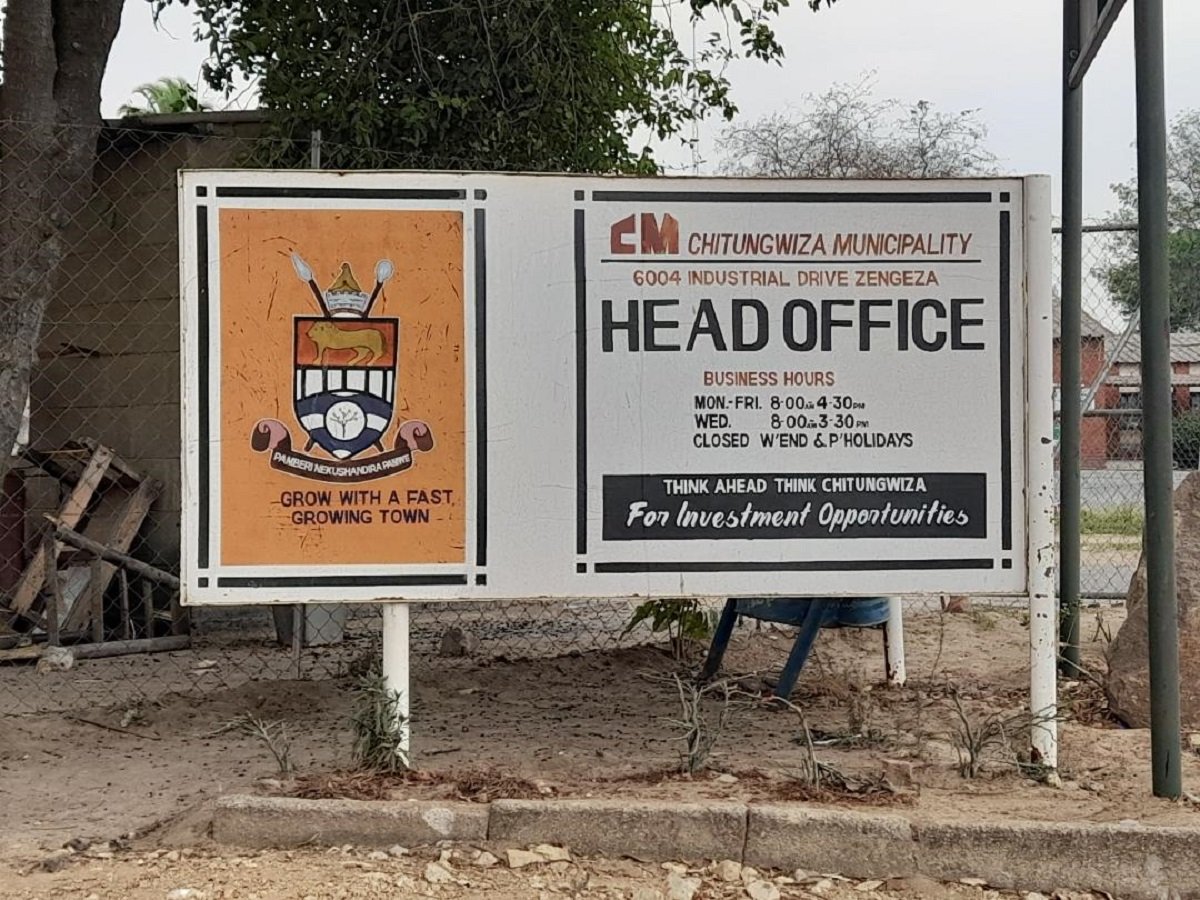
An internal audit has revealed that more than 92,000 litres of diesel, valued at US$138,000, at Chitungwiza Municipality remain unaccounted for. The audit report, presented to the Audit Committee for June and July 2025, reveals systemic failures in the management of fuel allocations at the municipal workshop pump station. It reads: Auditors ruled out mechanical faults or leaks as a possible explanation, stating, “The tanks are not leaking.” Instead, they attributed the losses to weak controls and deliberate fraud, the auditors said.
“The fuel reconciliation results done at the stores are either not communicated to management or management is not making use of the reconciliations, as the fuel received does not tally with fuel issued out.” Auditors noted that “the fuel dispenser is functional, but the bulk meter is not, hence the fuel that is pumped out of the tank cannot be quantified using the bulk meter, and council is using the dipping, which does not tally with the issues as per stores record.” One glaring case involved a council driver, identified as A. Mawire (EC number 756), who was found to have “swindled the local authority 2 660 litres costing US$3 990”. According to the report, “The driver would fill in the fuel request form and the form will be duly authorised as per procedure, then a coupon is issued to him for fuel withdrawal at the workshop.” However, the coupons were later altered”, reads the report.
“Upon presentation of a coupon to the fuel attendant at the workshop, the coupon would have been altered to read a higher figure than the figure that has been duly authorised… the driver was then given 40 litres, which is 30 litres more than what was requested.” Auditors said such scenarios were repeated over several months. “From January to May 2025, a total of 2,660 litres of diesel was withdrawn without authorisation for personal gain,” the report says. Mawire reportedly verbally acknowledged the findings during an interview with auditors on 15 July 2025 but failed to submit a written report despite repeated reminders.
Read Full Article on Harare Times
