Across the world, the remains of ancient civilisations endure as physical records of how societies once organised power, belief and daily life. Long before modern borders and tourism routes, these cities and ceremonial centres were shaped by trade, astronomy, religion and the demands of landscape. Today, they function as destinations because they continue to offer insight into the complexity of past worlds.
Visiting them gives travellers and opportunity to understand how human civilisation has repeatedly risen, adapted and, in some cases, disappeared. Here are seven of many worth visiting for a trip into the past. Machu Picchu/Willian Justen de Vasconcellos/Unsplash High in the Andes, Machu Picchu stands as the most famous legacy of the Inca Empire.
Built in the 15th century and abandoned within a century of its construction, the citadel escaped Spanish destruction and remained hidden until the early 20th century. Its precise stonework, agricultural terraces and astronomical alignments reflect an advanced understanding of engineering and ecology. Today, visitors reach Machu Picchu by train or on foot via the Inca Trail, experiencing both the cultural significance of the site and the dramatic mountain landscape that protected it for generations.
Read Full Article on The Witness
[paywall]
Once a major political and ceremonial centre of the Maya civilisation, Chichén Itzá flourished between the 9th and 12th centuries. The site is best known for El Castillo, a stepped pyramid aligned with the solar calendar. During the equinoxes, shadows create the illusion of a serpent descending the staircase, a tribute to the feathered serpent deity Kukulkan.
Beyond the pyramid, ball courts, temples and observatories reveal a society deeply invested in astronomy, mathematics and ritual. Chichén Itzá remains one of Mexico’s most visited archaeological sites and a key introduction to Mesoamerican history. The Angkor complex was once the heart of the Khmer Empire, which dominated much of Southeast Asia from the 9th to the 15th centuries.
Angkor Wat, originally a Hindu temple later adapted for Buddhist worship, is the most iconic structure, but the wider archaeological park covers hundreds of square kilometres. Reservoirs, canals and causeways show how water management sustained a vast urban population. Today, travellers explore Angkor by bicycle or tuk tuk, moving between temples reclaimed by jungle and restored monuments that illustrate the empire’s architectural ambition.
Southern Africa’s most significant archaeological site, Great Zimbabwe was the capital of a powerful trading kingdom between the 11th and 15th centuries. Built without mortar, its granite walls and towers stand as evidence of skilled craftsmanship and social organisation. The city was a hub in Indian Ocean trade networks, exporting gold and cattle in exchange for goods from as far as China and the Middle East.
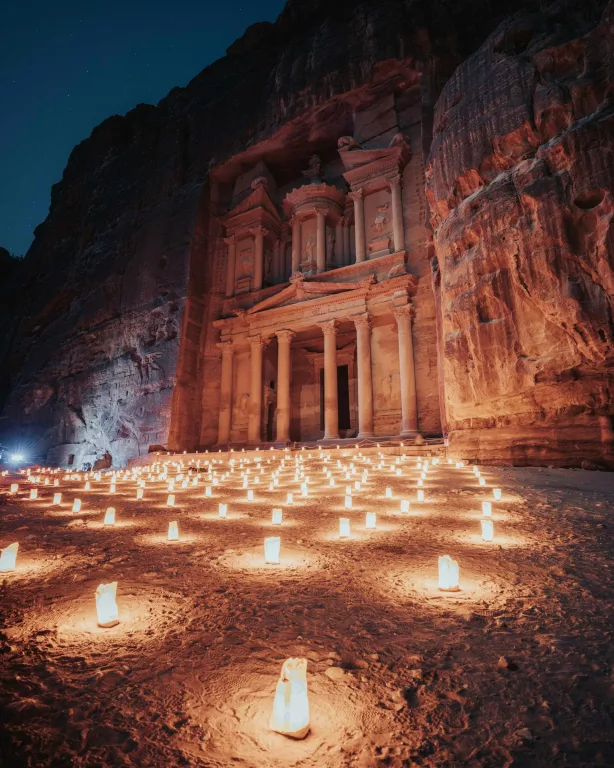
Visiting Great Zimbabwe offers insight into indigenous African civilisations that were once dismissed or misunderstood, making it a vital destination for regional and global history. Carved into rose-coloured sandstone cliffs, Petra was the capital of the Nabataean kingdom and a vital stop on ancient trade routes linking Arabia, Africa and the Mediterranean. Its architecture blends Hellenistic influence with local tradition, while an advanced water management system allowed the city to thrive in a desert environment.
Entering Petra through the narrow Siq before emerging at the Treasury remains one of travel’s most dramatic reveals. Today, the site balances mass tourism with conservation efforts aimed at preserving its fragile stone facades.
[/paywall]
All Zim News – Bringing you the latest news and updates.
